

Manufacturing processes are quite complex, and the choice of a production method is directly related
Learn More →
The automotive industry is changing profoundly with new technologies and the need for absolute perfection and efficiency. CNC (Computer Numerical Control) parts lead the change and transform vehicle design, manufacturing, and assembly. This article explains the importance and applications of CNC technology in automotive parts manufacturing, focusing on its unrivaled accuracy, flexibility, and rigorous meeting of contemporary vehicle standards. Professionals working in the industry, car enthusiasts, or anyone interested in the latest developments in automobile manufacturing will find this helpful guide, as it explains how the CNC technology is applied in the automotive industry and further modernizes the vehicles regarding functionality, quality, and environmental impact.
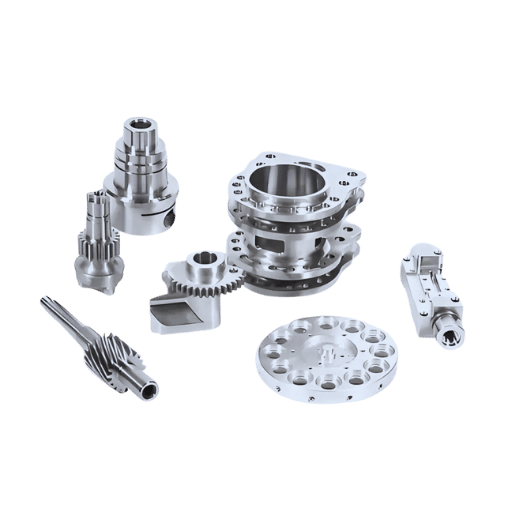
CNC (Computer Numerical Control) machining is a cutting method that uses a computer to control a precision cutting tool. The tool carves a section of metal, plastic, or composite materials into parts and components. CNC makes it possible to produce detailed designs with extreme precision and consistency and within very narrow tolerances.
CNC machining is essential in the automotive industry because it can rapidly prototype and manufacture highly detailed and complex components such as engine parts, transmission systems, and custom tooling. It is less time-consuming than traditional manufacturing methods and avoids excessive material waste while upholding high-quality standards. Additionally, automating these processes improves productivity and helps meet the ever-increasing need for high-quality, dependable, eco-friendly components.
CNC (Computer Numerical Control) machines provide automation and precise fabrication of parts, as CNC machine technology digitally follows a given sequence of steps. The operation of these machines demands a very high level of precision, which makes them suitable for processes involving sophisticated shapes and forms that require intricate detailing. The most standard types of CNC machines are lathes, mills, and routers, each optimized for certain types of production work. Using CAD (Computer-Aided Design) and CAM (Computer-Aided Manufacturing) software systems, design gaps can be converted into physical parts as concepts that enhance productivity and consistency.
Incorporating CNC machining technology has notably impacted the development of standards in the automotive industry. One of the most prominent effects is improved auto part manufacturing precision and repeatability, which now complies with the global standard of modern quality control systems. Recent statistics show that CNC machining achieves tolerances of up to ±0.001 inches, guaranteeing that parts are produced to exact requirements and significantly lowering the chances of assembly problems.
CNC machining also facilitates the faster production of prototypes and the acceleration of production cycles. This flexibility is favorable to the ongoing growth of the EV market segment, which is expected to grow significantly in the next few years at a projected CAGR of 17.02% between 2021 and 2030. As such, CNC technology greatly assists manufacturers by enabling them to meet tight deadlines without compromising precision.
CNC machining also significantly reduces material waste, contributing to sustainability and aligning with industry efforts to reduce environmental impacts. With regulatory bodies focusing increasingly on compliance with green initiatives, lenders and manufacturers benefit from the strategic market positioning of easy compliance with eco-friendly policies.
CNC machining continues transforming the automotive industry by embedding efficiency, accuracy, and sustainability into production processes. This allows companies to meet regulatory and customer requirements consistently while innovating.
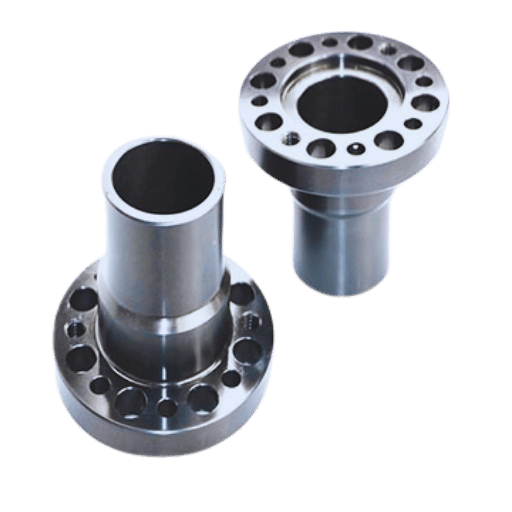
CNC machining produces such engine parts as cylinder heads, engine blocks, and pistons. These components are crucial to the function of the engine since they are subjected to high pressures, intense heat, and require close tolerances. With CNC machining, each component can be made to precise specifications, which improves endurance and operational efficiency. The process ensures consistent quality, which makes it easier for the automotive industry to manufacture sophisticated engine components.
Brake calipers are part of modern braking systems. They span close to the brake pads and rotors, which combine all the elements to stop a vehicle precisely. Aluminum and cast iron are the common materials used in manufacturing brake calipers due to their ability to withstand a rotor’s heat and pressure. During performance, CNC machining is crucial when a high level of precision is required for longevity.
Statistics indicate that fixed and floating caliper designs are the most popular types used in vehicle applications. A fixed caliper consists of two pistons on either side of the rotor, which supply both sides with a balanced piston force. In contrast, a floating caliper operates with one piston plus sliding elements, thus providing a cheap yet reasonable solution for both sides.
Brake rotors have evolved with time, and so have their features. These features now entail electronic sensors and integrating anti-lock braking systems (ABS) that improve their function and reactivity. These are internally called multi-piston caliper designs as they supply dense clamping force through rapid depression or heat bleed off. Brake harnesses now help reduce the vehicle’s total mass with lightweight materials, which increases agility and aids in fuel efficiency.
Suspension systems are developed to improve a vehicle’s stability, handling, and comfort while riding in it. The main parts are shock absorbers, struts, springs, and control arms, which aid in impact absorption and ensure tire contact with the surface. Suspension technologies of today, like adaptive dampers, adjust stiffness dynamically to improve comfort.
Exhaust systems are developed to optimize a vehicle’s emission output and overall engine efficiency. These systems normally contain an exhaust manifold, catalytic converter, muffler, and tailpipe. These parts work together to eliminate damaging emissions while reducing noise and meeting environmental standards. More advanced exhaust systems can be integrated with sensors to allow real-time monitoring to optimize performance and lower fuel consumption.
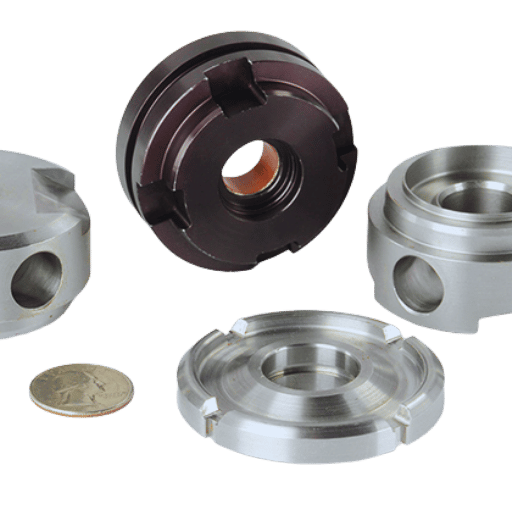
The accuracy of auto components is vital to their longevity and functioning, and precision machining is critical for this auto parts manufacturing supply chain. Parts produced through high precision manufacturing techniques- for instance, CNC (Computer Numerical Control) machining- are made on a micrometer level, which ensures almost no variances that would lead to mechanical failures or inefficient functioning parts. Adopting five-axis CNC machines has significantly bolstered the production of complex parts, which is greatly needed in the automotive field because of the intricate geometries and added performance CNCs provide.
Advanced materials and sophisticated machining methods improve wear and fatigue resistance, directly impacting components’ durability. Properly heat-treated engine components, for instance, increase their lifespan by 20-30%, with the heat treatment hardening and lessening deformation under stress. Precision machining enhances the durability of parts such as gears, pistons, and shafts by enforcing tight dimensional tolerances, which control vibration and wear in assemblies.
The data further emphasizes that sectors employing precision machining in manufacturing experience an average 15% decrease in material waste, positively impacting cost efficiency and industrial sustainability. In addition, real-time monitoring systems applied to CNC machines improve control over processes, thereby decreasing defects and increasing reliability in final products. These innovations reinforce the importance of precision machining in manufacturing durable and high-performing automotive components for today’s demanding applications.
The automatic quality inspection systems used in companies, precision calibration, and advanced technology applications for testing have shown an impressive defect mark-off rate of around 95%. This high-level automation is critical for diagnostics and correcting production errors. Tools and technologies, for instance, Coordinate Measuring Machines CMMs, are widely utilized with the expectation for dimensional accuracy of parts within ±0.002 inches.
Material analysis tools are increasingly being integrated into workflows to verify raw materials before machining processes begin. Compliance with primary worldwide systems such as ISO 9001 and IATF 16949 aids in meeting industry standards and achieving safety and durability benchmarks. The meticulous blending of advanced automotive engineering standards with scientific research results, thorough analysis, and compliance with stringent industry protocols ensures reliability and exceptional performance in the incredibly competitive global market.
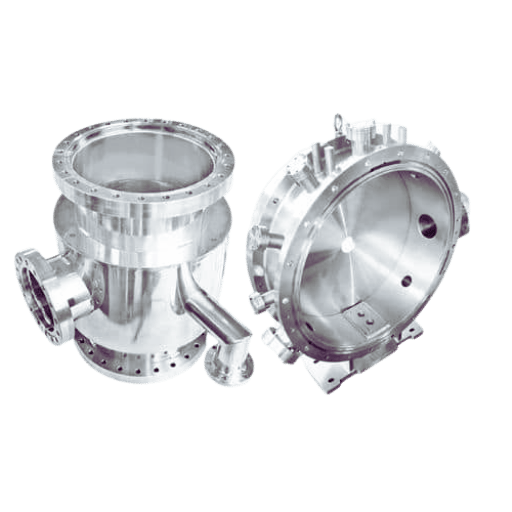
The CNC machining sector in the automotive industry will continue to evolve with increased robotics, automation capabilities, machine learning applications, and intelligent manufacturing systems. Industry 4.0, featuring innovative manufacturing systems and the interconnection of data streams that refine production processes, marks a notable shift. Integrating the Internet of Things (IoT) with CNC technologies will enable better predictive diagnostics and protective monitoring for maintenance, consequently improving machine uptime through advanced sensors and monitoring systems.
The advent of AI processes further promises optimization of automotive CNC machining. We expect enhancements in designing, tooling, and other machining operations related to engine performance. Some AI processes can evaluate physical characteristics and specifications of components to modify the machining processes automatically, thus minimizing fuel and energy expenditure. This matters as manufacturers strive to become more sustainable while adopting eco-friendly production practices.
These changes are complemented by innovations in additive manufacturing aimed at automotive components, such as hybrid CNC systems that incorporate traditional 3D printing into subtractive machining. Such systems facilitate the manufacture of complex geometries and high-precision bespoke parts that cannot be manufactured using conventional methods.
As outlined in recent industry surveys, the global CNC machine market is expected to expand at a compound annual growth rate (CAGR) of 5-7% over the next five years. This is primarily driven by the demand for precision-machined parts in the automotive sector and the electric and self-driving vehicles for lightweight and sophisticated parts. The continued incorporation of new CNC machining technologies will transform the automotive manufacturing industry by improving efficiency and creativity.
Combining CNC machining with 3D printing technologies transforms manufacturing processes due to improved efficiency, precision, and flexibility in design. CNC machining specializes in producing very accurate components, and parts with intricate geometries that are complex or difficult to make using traditional methods can be created via 3D printing. These two methods enhance manufacturing workflows, such that 3D printing can be relied upon for draft models, which are then refined using CNC machining to produce precise end parts with close tolerances.
Research toward hybrid dual systems focusing on CNC and additive manufacturing is equally essential. These machines can now merge two different processes, CNC and additive manufacturing, on one machine and switch from one to another seamlessly. Regarding other reports, the additive manufacturing sector is estimated to undergo a sustainable increase in the automotive, aerospace, and healthcare industries, with a surge of over 20% CAGR through 2030. Moreover, offering integration of CNC machining with other processes like AI for optimizing the workflow, and IoT for real-time monitoring of production, makes accuracy and speed in output further surpass industry standards and expectations due to the ever-evolving market needs while minimizing waste and costs.
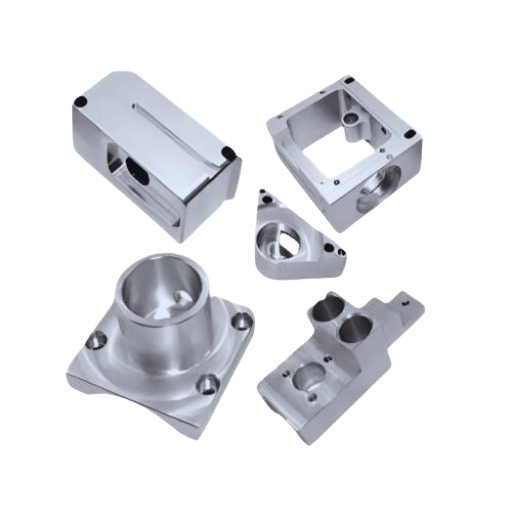
Using CNC machines in parts manufacturing is particularly useful for efficiency in production and cost reduction. Moreover, CNC systems in automotive machining centers streamline the automation of intricate machining operations, cutting labor expenses while dramatically lowering error rates, reducing the necessity for rework or scrapped materials. In a further attempt to maximally lower lean manufacturing waste during the production of automotive components, modern CNC machines come equipped with sophisticated software and real-time monitoring systems that optimize material utilization.
Statistical data also showcases the remarkable time savings that CNC machining brings. According to recent research, production cycles can be reduced by 50 % when utilizing CNC machining instead of traditional manufacturing techniques. These savings are especially prominent during mass production runs due to the consistent maintenance of part quality. Moreover, these cost savings are more pronounced when producing high-demand items. In addition, newly developed energy-saving approaches and toolpath optimizations further reduce operational costs, rendering CNC machines even more attractive to manufacturers, ultimately improving their sustainability.
A: The CNC Auto Parts are used in automobiles manufactured through CNC (Computer Numerical Control) Machining Technology. It brings about precision and quality of the parts, which in turn enhances the performance and fuel economy of the automobile.
A: Engineered to fit with high-quality, CNC machining parts, it enhances the automobile’s engine, brakes, and general performance. Better precision reduces fuel consumption, optimizes power, and facilitates efficient acceleration and deceleration due to tighter internal and external flow control.
A: In the modern automotive industry, CNC manufacturing forms the backbone of production due to its ability to create exact and dependable components critical for automobiles, such as engine, suspension, and steering parts.
A: Other widely used precision CNC machining applications within the automotive industry are designing and manufacturing engine, suspension, and steering systems alongside other major vehicle components. Vertical CNC machining centers are suitable for mass production and thus exhibit great productivity with modern high-performance automobiles.
A: The comprehensive use of CNC machining makes it possible to manufacture precise components, which reduces fuel consumption due to minimized friction and wear. Reducing parts, enhanced vehicle mileage, and a smaller ecological footprint are additional benefits from optimized parts production and design.
A: Some of the most common cnc processes in automotive parts machining are cnc turning and cnc milling. Such processes make it possible to meet the rigorous requirements of automobile manufacturers by producing intricately shaped and precisely machined engine parts and components.
A: High performance ensures the cnc auto parts can bear the demands of a contemporary vehicle like modern-day speed, reliability, and efficiency, which makes it essential. In addition to this, it enhances vehicle performance by helping with advanced safety measures and reliable efficiency.
A: CNC automotive manufacturing prioritizes spatial accuracy. This ensures that each part is manufactured to a given specification without failure. Reducing the number of deviations and faults increases overall vehicle quality while improving enduring performance.
A: Automotive manufacturers rely greatly on CNC automotive parts because of their benefits, which include performance, quality, and precision. These factors enhance the manufacturer’s processes by reducing production inaccuracies and increasing effectiveness, resulting in improved goods and elevated consumer satisfaction.
A: High-grade CNC auto parts require critical prerequisites in machining capabilities. These include Tight tolerances, intricate shapes, and smooth surfaces. These attributes allow the parts to be installed precisely, function correctly, withstand the intended loads, and improve the vehicle’s performance.
1. Emerging CNC-Brushing Technology for the Overhauling of Automobile Components
2. CNC Machining: The Complete Engineering Guide – An academic guide explores all aspects of CNC Machining.

Manufacturing processes are quite complex, and the choice of a production method is directly related
Learn More →
There are two major manufacturing methods for producing plastic prototypes that most people find useful
Learn More →
As a person involved or interested in the design and production of plastic components, it
Learn More →