

Manufacturing processes are quite complex, and the choice of a production method is directly related
Learn More →
Presently, aluminum-part manufacturing holds an undisputed position in industrial and technological developments. These industries produce components that, luckily, support use in numerous applications from aerospace and automotive new-age developments to consumer electronics and medical devices. Aluminum is valued for its lightness, strength, corrosion resistance, among others. But CNC machining is an entirely complex world behind the making of those super-precise parts. In this blog, we shall see how the modern manufacturing processes work hand-in-hand to stand against the growing market pressures for aluminum parts where every step is taken to end in efficiency, sustainability, and innovation. For persons working in this industry, those interested in any way, and industrialists looking for manufacturing options would find this article somewhat illuminating toward understanding the processes and importance of CNC machining and industrial fabrication for the aluminum industry.

The following comprehensive list features leading aluminum part manufacturers who excel in CNC machining, fabrication, and innovative manufacturing solutions:

The significance of aluminum in automotive applications exists mainly on the grounds of lithium energy and the demand for fuel efficiency. Aluminum is one of the lightest metals available. It reduces the total weight of a vehicle, thereby increasing fuel economy and decreasing CO2 emissions.
Key Performance Metric: Recent data indicate that, for every 10% weight reduction in any vehicle, there is an accompanying improvement of 6-8% in fuel economy.
Light aluminum components become more significant for EVs as they maximize battery range and overall performance of the vehicle. Over the years, automakers are embracing aluminum for their chassis, body panels, and wheels in pursuit of sustainability goals and consumer demands.
Aluminum is used widely in aerospace engineering due to its superior strength-to-weight ratio. Modern aircraft need strong and light materials that can reduce fuel burning, hence less CO2 emissions into the atmosphere, and better performance.
Efficiency Impact: Studies suggest that for every 1% reduction in aircraft weight, a corresponding 0.75% increase in fuel efficiency appears, making aluminum one of those materials that support sustainable aviation.
Aluminum is generally used for fuselages, wings, and other critical components; aluminum stands great against corrosion and is capable of withstanding extreme pressures and temperatures of high altitude. As aerospace companies struggle to meet very stringent environmental standards, aluminum alloys thus continue to remain at the forefront for sustainable aviation solutions.
In renewable energy, aluminum happens to be an important material for use in manufacturing solar panels and wind turbines. The aluminum frame of solar panels ensures the panels are lightweight, strong, and corrosion-resistant as they are placed under various conditions, wherein their efficiency is supposed to stand. Aluminum’s ability to be recycled makes it in tune with the sustainable philosophy of renewable energy systems.
Lightweight, corrosion-resistant support structures
Nacelle construction and structural elements
Aluminum remains the go-to metal for the production of nacelles and other large assemblies in wind turbines, with weight saving being instrumental for further energy efficiency and cheaper installation. With enhancements in material engineering and industrial processes going hand-in-hand, the role of aluminum is deepening in the advancements to building technologies for renewable energy. According to numerous reports, with the momentum picking up speed for the introduction of renewable energy relative to Aluminum, its demand shall exponentially grow on these ends, thereby solidifying the crucial placement it holds in the next big switch toward a cleaner energy future.
Aluminum is nowadays used more often in construction than any other material, by virtue of strength, weightlessness, and corrosion resistance. Structural steel and facade members give designers a great window to do innovative designs wherein a blend of civilization and function is recognized.
According to the latest up-to-date, the dynamic interest is to sustainable building materials, with aluminum being always ranked as one of the primary ones for recycling and longevity of lifecycle. Aluminum facades are so much in demand because of thermal insulation and energy efficiency requirements, whose demand is continuously growing nowadays due to green building awareness.
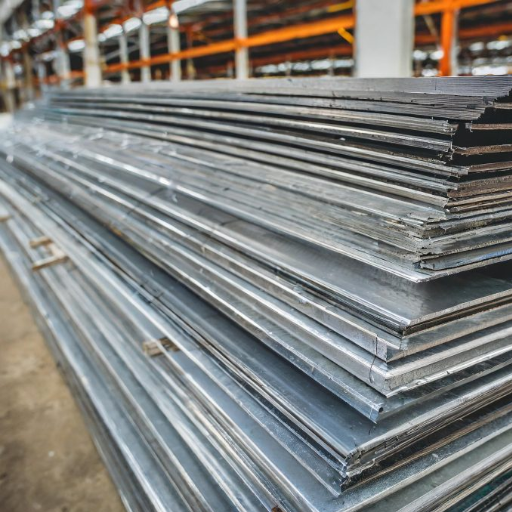
The shift to secondary aluminum, or recycled aluminum, has emerged as an important trend in the aluminum manufacturing field. Secondary aluminum production requires roughly 95 percent less energy than the primary aluminum production, significantly pushing down the greenhouse gas emissions.
95% Less Energy
Required for secondary aluminum production
Now that sustainability has become the major focus, industries have been calling upon advanced recycling technologies to reuse as much scrap aluminum as possible. A surge was seen in Google’s search data for the keywords “recycled aluminum benefits” and “aluminum sustainability,” indicating a growing consumer awareness and demand for environmentally friendly materials. This shift, therefore, appears to serve a dual purpose of acting toward the global sustainability agenda and helping manufacturers cut costs while complying with stringent environmental laws.
Digitalization is a force that revolutionizes production processes across sectors. Integrated with such advanced technologies as Artificial Intelligence, Internet of Things, and machine learning, manufacturers enhance efficiencies, limit waste, and improve product quality. The technologies provide monitoring facilities through real-time data and further predictive maintenance, thereby averting downtime and operational costs.
Enhanced decision-making and process optimization
Real-time monitoring and predictive maintenance
Continuous process improvement and automation
Recent data from the Google search engine shows that interesting topics of enquiry include “smart manufacturing solutions” and “AI in production processes.” This indicates an increasing awareness within industries of the need to adopt digital tools to remain competitive in markets. To answer how digitalization shapes production, the main factors are: driving automation, supporting decision-making based on actionable insights, and creating a more agile and flexible production landscape towards modern market demand and sustainability goals.
Significant growth in the aluminum market is expected in the upcoming years as demand strengthens across the automotive, aerospace, construction, and packaging industries.
Growth Projection: Latest data shows the demand for global aluminum is forecasted to grow at a CAGR of approximately 5-6% through to 2030.
This growth path is majorly influenced by manufacturing shifts toward lightweight and sustainable materials in steps with global sustainability goals. Further, the progress in recycling technologies and circular economy systems gives this a huge thrust, as recycled aluminum consumes much less energy in production than primary aluminum. Emerging markets are also contributing in increasing demand levels for aluminum on account of rapid urbanization and infrastructure development. In this way, all these trends point to aluminum as the crucial element of a modern production ecosystem as businesses pursue efficiency, innovation, and green practices.
Being lightweight, durable, and highly conductive, it finds its great use in the electrification and renewable energy application. Modern-day trends reveal an expansion in aluminum use within the sectors for solar panels, wind turbines, and electric vehicles (EVs).
Moreover, aluminum parts have been largely recycled throughout the lifespan of innumerable wind turbines, scrollbar plants, solar farms, hydro plants, and battery storage systems. This lends sustainability credibility to aluminum and assists in lowering its carbon space while ensuring resource optimality. The very use of aluminum in these technologies reinforces that the material plays a key role in facilitating the global transitions to greener energy systems.

Recently, the aluminum manufacturing industry has been confronted with serious setbacks caused by supply chain disruptions. A host of factors contributed to these disruptions: the COVID-19 pandemic, geopolitical tensions, swing raw material prices, logistical bottlenecks resulting from global trade hitches, to name a few.
The pandemic revealed interpretations for the weaknesses in transportation networks and in production schedules, causing delays and shortages that then clogged large-scale industrial projects or markets for consumer goods. To enhance the already existing concept of resilience, aluminum companies throughout the world are experimenting with various new ideas, including but not limited to diversifying their supplier-base, using digital tools for predictive analytics, and focusing more on local sourcing. A recent past trend based on Google search data indicates an increase in interest in terms of “supply chain risk management” and “sustainability in manufacture,” highlighting the transition toward more robust and environmentally sustainable practices.
The increasing cost of raw materials and energy has emerged as a gravest concern affecting manufacturers all over the world. Up until recently, there has been a sudden spike in the searches related to “strategies for managing raw material costs” and “energy efficiency in production,” according to the latest data from Google’s search engine.
It reflects an increased need to search for new ways that could lessen the severity of their expenses. Hence, companies are increasingly willing to consider ways through which they can diversify suppliers, harness renewable energy sources, and acquire energy-efficient technologies so that they stay competitive in the market. When remaining mindful of both cost control and sustainability, companies will be in better positions to weather these challenges, at the same time aligning themselves with the changes in their industries and consumer expectations.
It is always balancing customization with mass production that is plaguing many businesses in the world of increased competition and technology. The latest statistics from Google search trends tell of customers’ active quest for personalized products, with significant year-over-year growth in search terms like customized gifts and tailored solutions.
Increasing demand for personalized and customized products
Need for cost-efficient and fast delivery through mass production
Along with the demand for customization, however, changes coming into view are those for cheaper ways and faster delivery-marked by mass production. One possible solution would be the use of modular production systems and other digital manufacturing technologies such as three-dimensional printing. These solutions will allow the company to raise the opportunities for customization without the heavy price or long times required in traditional mass customization production. The usage of such agile supply chain methodologies will make firms adapt quickly to customer needs, thus preserving efficiency. The key to remaining competitive in a scalable manner while satisfying changing customer demands lies at this tipping point.
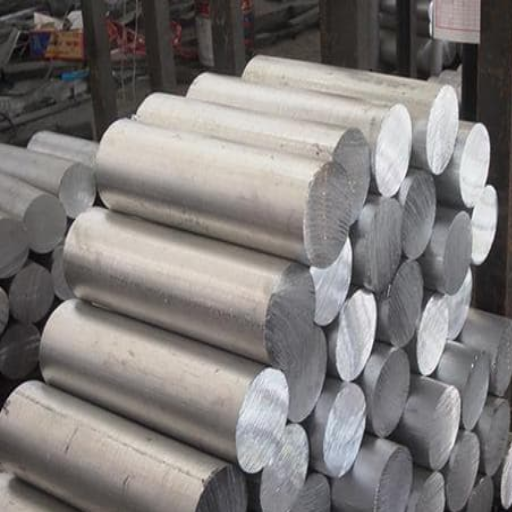
Make sure the manufacturer of aluminum parts you select is recognized for quality standards and certifications. Look for manufacturers conforming to ISO certification. ISO 9001 certification stresses the importance of quality management systems, or ISO 14001 that assures environmental responsibility throughout the manufacturing process.
Industry-specific certifications must also be met, for example, aerospace certification through AS9100 and automotive through IATF 16949. Such certification guarantees that the manufacturer works to strict guidelines for quality and safety so that the products manufactured are reliable and durable. Running research on the top-rated manufacturers using Google can assist in locating those with a proven track record concerning compliance. Looking at third-party reviews, company-case studies, and client testimonials sheds more light on their focus on quality and improvement.
Using Google as your search engine can yield valuable insights into the types of services available from aluminum part manufacturers with various advanced options for customizations. Many of the best manufacturers do work on custom designs so the client can specify unusual dimensions, finishes, or structural requirements for their application.
Advanced Technologies: Look for manufacturers utilizing CNC machining, 3D modeling, or anodizing treatments to achieve precise, high-quality custom components.
By comparing this information to the feedback from direct consultations, one can determine which manufacturers go the extra mile with technologies such as CNC machining, 3D modeling, or anodizing treatments to truly achieve precise, high-quality custom components. You want to ensure the manufacturer has the experience in custom projects to confidently meet your design integration into the application on a turnkey basis.
Designs for sustainability in aluminum fabrication are now of paramount concern as the industry fights against humanity’s degradation of the environment while satisfying global needs. Traditional methods of manufacture emphasized energy efficiency and the use of recycled materials. Aluminum is the most recyclable metal, and this aspect has been considered by many manufacturers who use as much as 75% recycled aluminum in their processes.
60%+
Of aluminum produced worldwide is now recycled
Other green technologies contributing to emission and waste reduction are closed-looped water systems, renewable energy, and lean production. Recent data from Google’s search engine states that more than 60% of aluminum produced worldwide is now recycled, declaring a shift toward a circular economy. Selecting manufacturers with these sustainable practices will thus sensibly reduce carbon footprint, aligning a much bigger environmental aspect toward long-term environmental benefits on which businesses and earth may co-exist.
The common denominator – combining precision, efficiency, and innovation – CNC machining has truly revolutionized traditional manufacturing methods. Recent developments in CNC machining, informed by data insights from Google’s search engine, indicate that AI and IoT are being increasingly integrated into these systems.
Thus, how is modern CNC machining sustainable in manufacturing practice? This blend of fine technology and reduced waste is extraordinarily synergistic. In the manner of precision machining, manufacturers minimize the wastage of raw materials by using accurate cutting and shaping methods, which is crucial in any industry concerned with sustainability. Using CNC as the platform, this optimization can be further enhanced by the use of advanced technologies, such as additive manufacturing and real-time monitoring via IoT. Such developments reinforce CNC machining and establish it as an agent for greener production while satisfying the demanding specifications of the modern manufacturing world.
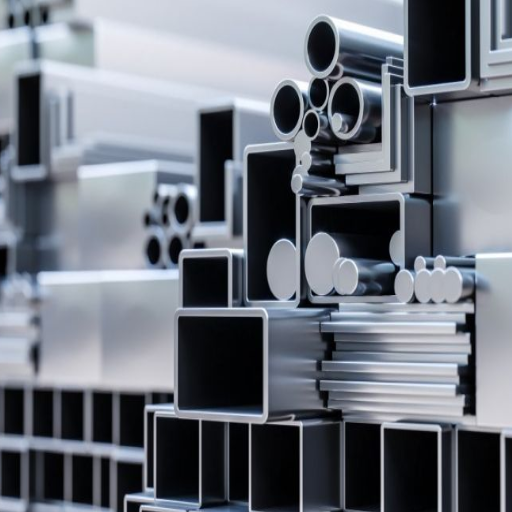
Recently, aluminum production has been aligned with the incipient areas of 3-D printing and battery technology. Aluminum, being lightweight, strong, and conductive, furnish an immense spot for the stimulant fields. In 3-D printing, aluminum alloys are being used for complex, high-strength parts in aerospace, automobile, and medical industries.
Additive manufacturing techniques enable great precision and hence, the fabrication of components that could otherwise not be made with conventional methods, also reducing waste and raw material used. Aluminum, in its various applications, is key to the next generation of energy storage inventions. Aluminum ion battery research shows great potential with fast charging times, safer conditions than lithium-ion batteries, and better recycling possibilities. Such developments are found serendipitously in the so-called green energy storage, mainly in electrical vehicles and renewable energy schemes. Together, 3D printing and aluminum battery-solving innovations are carving a new aluminum manufacturing path; hence, aluminum has become a focal point in technological advancement.
Due to its unique properties like low density, low density, high electrical conductivity, and corrosion resistance, aluminum is pivotal to realize global electrification goals. As per recent statistics, aluminum is increasingly used in better power transmission lines since it minimizes energy losses incurred over long distances.
Apart from weight reduction application in EV manufacturing, Aluminum also assists in enhancing battery efficiency and thus range. Thus, aluminum is at the very heart of renewable energy projects: building solar panel frames and wind turbine components with aluminum improves durability and performance. In the name of net-zero emissions in the world, the world aluminum market chooses the circular economy as aluminum is infinitely recyclable. These attributes make aluminum an indispensable material toward creating greener electrification.
Advanced state-of-the-art technologies have transformed productivity efficiency in the industries. The composite technologies of AI and IoT enable the industries with real-time monitoring, predictive maintenance, and optimized resource allocation to minimize downtime and maximize output on a real-time basis.
For example, an AI-based analytic service can detect inefficiencies in supply chain or production routes so that corrective actions can immediately be enforced. An IoT device, on the other hand, connects machine and mechanism so that the production lines can smoothly communicate and exchange data. Companies opting for a myriad of technologies emphasize AI robotics, among others, for pointing to the high-precision manufacturing activities that need an almost negligible margin for error. Cloud platform-type use, instead, would rather centralize data for a better collaboration and decision-making process. Then, increasingly so, AR also finds its way into training sessions where candidates get practical experience in a virtual environment that thereby diminishes time for training as well as expenses. These innovations testify to the critical role technology plays in rendering production faster, sustainable, and cheap.
Aluminum finds application in several manufacturing industries by virtue of its good mechanical properties and low density. They include aluminum 6061 and aluminum 2024 which, being strong alloys, are lightweight. Easy to machine with good corrosion resistance, they fit into automotive and marine industries. Aluminum parts may be further treated by anodizing or powder coating for appearance and increased durability. These alloys are widely used by manufacturers and suppliers both on account of their versatility and good performance.
CNC aluminum machining is used for the precise making of custom aluminum parts by using the latest technologies to meet high tolerances. It is the means of creating complex aluminum components as per design requirements. By using CAD software, the design can be simulated and optimized before being sent into production, rendering improvements in functionality and operational efficiency. Moreover, CNC machining permits the manufacturing of parts from several types of aluminum alloys that may be modified for various mechanical properties such as strength and corrosion resistance. The process is best suited for prototyping and small-scale production.
There are myriad fabrication services concerning the manufacturers of aluminum parts, including sheet metal fabrication, laser-cutting, and CNC-bending. These services allow aluminum components to be forged into a quality product according to customer design. Most of them include machining of aluminum whereby the machining process would allow for a precise measurement with respect to the tolerances imposed on the parts. However, some manufacturers may specialize in custom aluminum fabrication so that clients are able to design some unique parts for some special applications. By utilizing such services, companies can streamline their production processes and work toward given outcomes.
Aluminum is used in the automotive sector largely due to its light weight and high strength-to-weight ratio, promoting fuel efficiency. The mechanical properties of aluminum alloys allow their application in manufacturing automotive parts that demand wear-strength and corrosion resistance. Aluminum’s electrical and thermal conductivity also find their uses in automotive applications. Manufacturers apply aluminum CNC machining to manufacture complex components that conform to the very high quality standards of the industry and, at the same time, allow further efficient production techniques. Aluminum’s great versatility and performance characteristics make it a well-liked material for automotive manufacturing.
Aluminum certification is important to manufacturers because it guarantees the materials employed and the method implemented in their processing into aluminum products meet the standards and regulations of the industry. Such certification validates an aluminum part as fit for service and safe, especially in aerospace or automotive domains, where performance and reliability are paramount. Manufacturers and suppliers are seeking certification to prove their sincerity for quality; it imparts more reputation and gives them edge in the competitive market. Aluminium certification also assures a client that the aluminum used in their products conform to their requirements for mechanical properties and corrosion resistance standards, thereby winning trust and opening avenues for better business prospects.
Information on aluminum and zinc casting manufacturers specializing in precision alloy products.
Details about Nebraska Aluminum Castings, Inc., focusing on die-castings of aluminum and alloys.
Research on repairing aluminum alloy parts using a robot arm-based hybrid manufacturing platform.

Manufacturing processes are quite complex, and the choice of a production method is directly related
Learn More →
There are two major manufacturing methods for producing plastic prototypes that most people find useful
Learn More →
As a person involved or interested in the design and production of plastic components, it
Learn More →