

Manufacturing processes are quite complex, and the choice of a production method is directly related
Learn More →
Across industries and sectors, plastic machinery parts are becoming increasingly important in ensuring the functionality and efficiency of modern machinery and equipment. From providing durability to enhancing performance, these parts are packed with value that keeps the system functioning smoothly. We will attempt to explain the contribution of plastic machinery parts in industrial operations, their unique advantages over conventional materials, and the key considerations when selecting them for specific applications. Engineers, manufacturers, or anyone curious about how these contemporary machines work will find excellent context within this article on why plastics are shaping up to be the future of machinery.
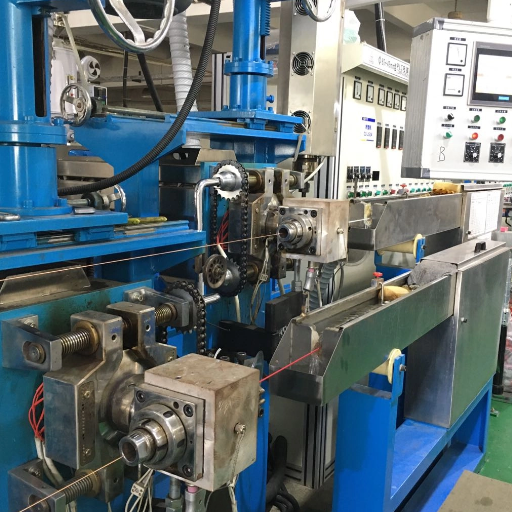
Plastic machinery parts are components made of advanced plastic materials designed to replace traditional metal parts for industrial use. Being lightweight, high-strength, wear-resistant, corrosion-resistant, and chemically inert, these parts perform well. Plastic parts require less maintenance compared to metal parts, ensuring better working conditions for the equipment and reducing production costs. These machine parts are applied to several industries such as automotive, manufacturing, and food processing, where the highest level of efficiency and durability is necessary. Their sharp functionality and reliability make them indispensable to machine life.
Plastic machinery refers to the set of equipment and tools used in the processing, shaping, and manufacturing of plastic products. Common varieties of plastic machinery go through the stages of injection molding, extrusion, blow molding, or thermoforming. Emphasizing the importance of plastic machinery is the ever-increasing global demand for plastic components in almost every industry. Technology has made the modern plastic machinery more economical to operate, service, and meet the strictest production standards. The plastic machinery market is experiencing rapid growth due to the increasing demand for plastics in the automotive, packaging, electronics, and healthcare sectors. This thereby points to the indispensable machinery acting as a means to drive industrial innovation and meet global consumer needs.
Plastic machinery consists of several vital components that work together to ensure smooth, accurate, and dependable production. It generally consists of major components such as hopper, screw barrel, clamping unit, and ejector system. The hopper serves as the entrance through which raw plastic material is introduced, while the screw barrel melts and mixes the plastic through controlled heating and rotation. The clamping unit holds molds together during the injection or forming process to achieve accurate shaping, while the ejector system helps remove the finished products from the molds.
In tandem with their operations, the performance of plastic production has dramatically improved through various innovations in each of these components. One such example is that, concerning screw barrel design, now greater mixing can be accomplished within a shorter melting time, thereby reducing cycle time and energy consumption. The automation of clamping and ejector systems further reduces the need for manual intervention, increasing production line throughput while ensuring safety. These enhancements showcase how modern plastic machinery components are being further developed to serve industries more efficiently.
The choice of plastic machinery depends on the type of component to be manufactured, with considerations for cost, production rates, materials to be processed, economy, and durability of the plastics, among others. The following are five primary sectors where plastic machinery is extensively employed:
Automobile parts, including dashboards, bumpers, and internal components, are manufactured through plastic injection molding. It provides a lightweight, durable, and much less expensive alternative to the conventional materials. It is said that nearly 30 percent of vehicle parts are now made of plastics, which offers the advantage of improved fuel efficiency due to weight reduction.
Plastic machinery is utilized in the making of bottles, containers, and flexible packaging materials. Blow molding and thermoforming technologies imply standard quality and durability for packaging products. The packaging segment accounts for over 40 percent of global plastic production, making it a vital sector.
Medical applications utilize plastic machinery in the manufacture of syringes, surgical instruments, and disposable medical devices, including IV tubing and catheters. Since precision and hygiene are of the utmost importance in these applications, advanced machinery is a must-have. The global medical plastics market is expected to reach $37 billion by 2030, driven by growing demand for medical devices.
Plastic machinery, therefore, is used in the making of casings and internal components for laptops, smartphones, and home appliances. Injection molding enables the industry to achieve the required precision and design flexibility, allowing for the creation of sleek, ergonomic products. The growing need for lightweight and thermally stable materials has led to an increased use of high-performance plastics in this industry.
The construction industry is assisted by plastic machinery in producing a variety of building materials, ranging from PVC pipes, siding, insulation, and windows. The advantages that large-scale construction projects have with plastics — durability, corrosion resistance, and low cost — make plastics an indispensable material for infrastructure development.
With its numerous varied uses, the plastic machine industry undoubtedly drives innovation across many different sectors.

Plastic machinery is made of several essential parts that contribute to its functionality and efficiency. Some of the key waste components are as follows:
All these work together to ensure the precise fabrication of high-quality plastic materials and products.
Each piece of plastic machinery requires several specific parts to function optimally and produce high-quality products. Some of the more common types of plastic machine parts are as follows:
The components are continually evolving to meet the demands of modern plastic manufacturing, while prioritizing attributes such as durability, energy efficiency, and precision.
In the manufacturing industry, machine parts are currently designed with specific specifications for durability, heat resistance, flexibility, strength, and corrosion resistance. The materials commonly used are:
Combining these materials enables manufacturers to achieve their goal of engineering efficiencies, thereby reducing costs and positioning themselves to meet the conflicting demands of various industries. Advanced metal alloys and engineered plastics continue to lengthen the range and duration of machine parts, undergirded by advancements in technology.
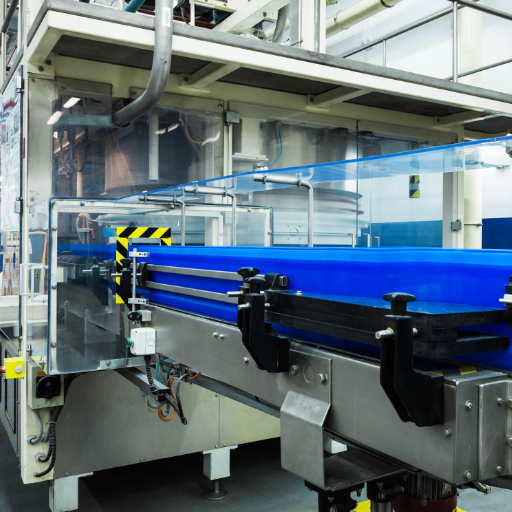
In plastic machinery, engineering plastics, including their durability, flexibility, and resistance to wear and heat, are of paramount importance. These materials are primarily used in output components, such as gears, bearings, and housings, to enable the machinery to operate smoothly and for extended periods of time. The ability of engineering plastics to withstand great stress and perform well under harsh conditions makes them crucial in efficient production processes.
Engineering plastics are a group of materials that exhibit superior mechanical and thermal properties compared to ordinary plastics. Typically used in industrial and engineering applications, these plastics are designed to operate in harsh environments, offering high strength, wear resistance, and dimensional stability. Thus, some examples might be polycarbonate (PC), polyamide (nylon), polyoxymethylene (POM), and polyethylene terephthalate (PET). They are used for precision and demanding applications, such as automotive, electrical, and industrial machinery. Current developments highlight their capacity to supplant traditional materials such as metal and glass, providing a lightweight and inexpensive solution without compromising performance.
Engineering plastics are much lighter than metals, thus reducing the weight of machines. This enhances energy efficiency and ease of handling, particularly in sectors such as automobile manufacturing, where weight reduction is crucial.
These plastics offer strength against wear and abrasion, making them ideal for wear parts. For example, POM is widely used in gear systems due to its lower friction coefficient and wear-resistant qualities.
Engineering plastics resist corrosion in contact with moisture, chemicals, or atmospheric conditions, unlike metals. This ensures the longer lifespan of machinery components in industrial applications where wet conditions and chemicals are present.
Engineering plastics offer great design flexibility as complex shapes and intricate designs can be tempered with simple injection molding or extrusion processes. This guarantees customized solutions at lower costs for machining metal parts.
Many engineering plastics, such as polyamide (nylon), offer high thermal resistance and non-conductive properties. This makes them suitable for use in electrical applications and devices, thereby enabling safety and performance in applications that require non-conductive materials.
Thus, incorporating machinery with such materials can provide enhanced performance, long life, and cost savings, fulfilling all present-day innovation needs.
Engineering plastics play a crucial role in enhancing the performance of modern machinery across various industries. For instance, polycarbonate, being robust and flexible, finds applications in machinery to produce gears of high durability and safety guards or components that require impact resistance. Another example is polyoxymethylene, or simply POM, which, due to its high stiffness and low friction attributes, is widely used in precision parts such as conveyor belts, bearings, and bushings. Furthermore, PET finds application in machinery to produce parts that require dimensional stability and high wear resistance, such as sealing rings and electrical components. These materials are the mavericks that bring innovation, trustworthy performance, and ample production efficiency to the table.

Plastic processing comprises several methods, each suited to particular applications and material properties. Among the more common are:
The choice of method depends on product design, material type, and production requirements to facilitate an efficient and effective manufacturing process.
The plastic-processing sector has undergone significant changes due to the introduction of new technologies and techniques, responding to the increased demand for sustainable and efficient production methodologies. According to recent data, 3D printing (additive manufacturing) and chemical recycling are among the few technologies that are gaining everyday use. 3D printing enables the production of precise formations with minimal material wastage, thereby reducing their environmental impact. Conversely, chemical recycling treats plastic waste chemically to convert it back into its original monomer form, allowing new materials to be made from it without relying on virgin materials.
Injections and extrusions are also evolving with the advent of AI technology and automation, resulting in a greater degree of consistency, reduced production time, and optimized energy and resource utilization. These techniques, in combination with biodegradable and bio-based plastics, usher in the circular economy, whereby the material-so-far is brought into the production cycle as end-of-life material. It is thus imperative that all these cutting-edge technologies be actualized on a vast scale to reduce plastic waste and achieve a sustainable tomorrow.
The extrusion process in the plastic machinery industry involves melting and shaping raw plastic materials into continuous profiles. The process begins with the feeding of plastic pellets or granules into the barrel, which are then heated and pushed out through the screw mechanism. Melted plastic is then jetted through a die to achieve a particular shape, which is cooled down and solidified before being either cut and measured or further processed.
Incorporating the latest technological advances, such as CAD or machine learning algorithms, enables modern extrusion machinery to achieve an extraordinary degree of precision and efficiency. A growing awareness of sustainable extrusion processes is to be highlighted. These methods may include those that reduce energy consumption or utilize recycled or biodegradable materials as feedstock, aligning with the current global push for reduced plastic pollution. Forgoing these developments can help industries transition into green avenues while sustaining high production standards.
They are critical to the processing of plastics, taking raw material to uniform, high-grade products. I assume that they are used to melt, introduce thermal energy, mix, and finally shape certain thermoplastic materials for the production of: films, pipes, sheets, etc., under closely controlled temperatures and pressures. For versatile and efficient operation in various productions, extruders are an indispensable part of sustainable production development.
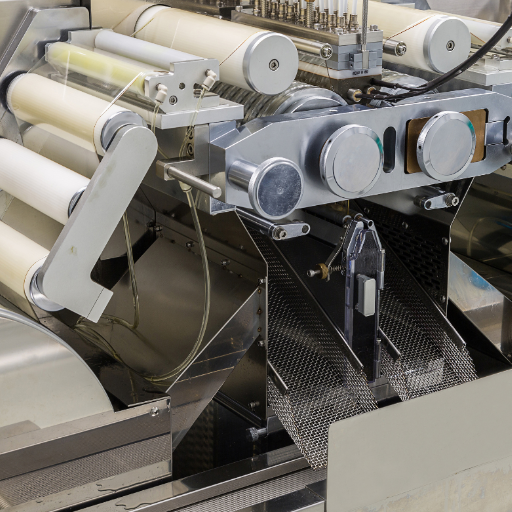
Several trends currently observed in plastic machinery include energy efficiency, sustainability, and automation. Manufacturers are integrating advanced technologies, such as smart sensors and IoT integration, to maximize energy efficiency and optimize performance. Modular designs introduce a new concept of flexibility in production, responding to the growing need for customized solutions. Simultaneously, a new wave in recycling and biodegradation development necessitates the development of manufacturing equipment by practitioners who can implement plastics in an environmentally compatible manner. These advances accelerate manufacturing on one hand and provide for eco-friendly measures on the other.
Recent advances in plastic machinery technologies have seen the rise of automation and innovative technologies for optimizing production processes. For instance, machinery with IoT capabilities enables real-time monitoring and predictive maintenance, resulting in a significant decrease in downtime and enhanced operational efficiency. Recently, AI and machine learning algorithms have been applied to production lines for quality control, enabling minimal human interference and the adjustment of production parameters according to specific requirements. These technologies lead to increased productivity, on the other hand, granting manufacturers greater flexibility in following market trends and customer demands. With Industry 4.0 on the rise, fully automated injection molding machines equipped with sensors for precise control are often utilized to ensure consistency and minimize material wastage. This highlights the current state of the plastic machine, which has undergone modifications to keep pace with the growing complexity of the manufacturing environment.
Increasing sustainability within plastic machinery manufacturing has become increasingly important due to environmental concerns and global regulatory pressures. Companies are increasingly producing energy-efficient machines that use less power in operation, thereby minimizing their carbon footprint. Furthermore, this process is moving toward greater use of recycled materials, facilitated by technological enhancements that enable the reuse of plastics without compromising quality. Closed-loop systems have gained much acceptance in which excess material is recaptured for reuse during production. These measures are augmented by intelligent monitoring systems driven by data analytics, which optimize energy and resource use within a sustainable production cycle. These practices demonstrate the industry’s increasing commitment to pursuing a circular economy and long-term environmental goals.
New, innovative recycling methods, such as chemical recycling, enable plastics to be broken down into their elemental molecular structure for infinite reuse. It complements the traditional mechanical recycling method, allowing a significant reduction in pollution from plastic waste. Chemical Recycling will have a CAGR of 8.9% in the next 10 years.
Industry 4.0 technologies such as IoT, AI, and ML are revolutionizing process improvements in plastic machinery. They provide real-time monitoring, predictive maintenance, and enhanced process efficiency. For example, IoT-based sensors can reduce machine downtime by up to 30%, according to industry reports.
With the development of energy-saving machinery, this term has become synonymous with it. There are hybrid systems combining hydraulics and electricity, as well as all-electric injection molding machines, among others. These machines consume 50% less electricity compared to older hydraulic types, making them more environmentally friendly and cost-effective for manufacturers.
Bioplastics are being increasingly introduced in production due to the growing demand for more sustainable materials. Plastic machinery is also evolving, with specialized equipment designed to work with biodegradable and bio-based plastics. Another stimulus for innovation is the forecast that the bioplastics market will reach $27.9 billion by 2027.
Implementing 3D printing within plastic machinery allows for advancements in customization and prototyping. Additive manufacturing enables small-scale, precision production with minimal waste. The global 3D printing plastics market is expected to grow at a CAGR of 23.3% through 2030, underscoring its significant role in the future of plastics production.
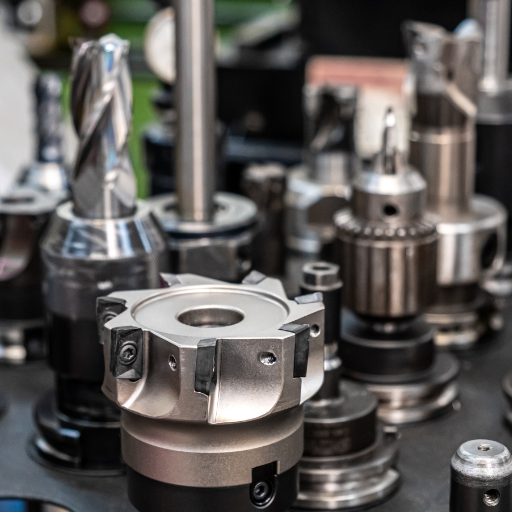
Focusing on compatibility, quality, and durability is crucial when selecting plastic machinery parts. First, the peculiarities of each machinery should be identified: size, material, and functionality. The selected parts should be made of high-quality, wear-resistant materials to ensure the equipment operates reliably over time. Components should be purchased only from reliable manufacturers and suppliers whose names can be certified. Constant reference to the manual or advice from a professional will always ease this choice and prevent complications.
They are generally considered to be of high quality and are therefore recommended for machine parts that are subjected to wear and tear. For instance, stainless steel parts may last 20% longer in abrasive environments than some poorer materials.
Ensure that parts are selected correctly according to your machinery model. If incompatible parts are used, they will reduce efficiency or even damage the machine. Verify and reverify the specifications, such as size, threading type, and working tolerance, as specified in your manual.
Be aware of the load and stress to which parts are subjected during operation. The part for heavy-duty machines should be able to withstand the relative environments, heavy loads, and deformation without failing.
The operating environment is of great importance. Factors such as high temperatures and corrosive environments may necessitate the consideration of suitable components for heat-resistant coatings or anti-corrosion finishes.
Consider low-maintenance and good-life components. Although initially costly, these low-maintenance parts will save you a significant amount in repairs and downtime. Such assurance may come in the form of manufacturer warranties or performance certifications.
In this way, by considering the factors, your machinery will operate smoothly and without any trouble or risk of financial strain.
Finding reliable suppliers for plastic machinery parts is crucial to ensure that your equipment performs well and lasts. With information readily available online nowadays, traditional selection methods combined with contemporary tools can make the supplier selection much easier. These are the key points and steps to consider:
A reputable supplier must meet industry standards and hold certifications, such as ISO 9001 for quality management systems. Verify their products to ensure they comply with local and international regulations, such as European Union standards with CE marking or American Society for Testing and Materials (ASTM) standards.
Online portals often carry customer reviews and ratings for suppliers. Prioritize suppliers with a good record of high ratings and positive feedback for product quality, on-time delivery, and after-sales service.
Suppliers with advanced manufacturing technologies, such as CNC machining or injection molding, are often better equipped to manufacture high-precision parts. Approximately 65% of buyers prefer suppliers who invest in modern technology to ensure consistency and quality.
Before placing large orders, request samples of plastic machinery parts to be tested for durability, performance, and a proper fit. According to a study, almost 78% of machinery operators affirm that pre-order testing reduces compatibility issues by 50%.
Avoid falling into the trap of opting for the cheapest options. Total cost of ownership, including shipping fees, lead times, and warranty terms, should be considered. Transparent suppliers can include detailed costs, which help in understanding their price breakdown.
Schedule a time to visit their production facility, if possible. By visiting their site, you will have the opportunity to see firsthand the manufacturing processes, inventory management, and quality control. Most top companies in the industry conduct annual tours for their buyers to instill confidence and trust.
A: Plastic machinery parts refer to components that are used in various machines to facilitate the manufacturing and processing of plastic materials. These parts can include items such as gears, housings, nozzles, and molds, which are essential for the operation of plastic processing equipment, including injection molding machines, extruders, and blow molding machines.
A: Plastic machinery parts are typically manufactured using processes such as injection molding, CNC machining, or 3D printing. The choice of manufacturing method depends on the design complexity, material properties required, and production volume. Injection molding is ordinary for high-volume production, while CNC machining is often used for precision parts.
A: Common materials for plastic machinery parts include thermoplastics such as nylon, polypropylene, and polycarbonate, as well as thermosetting plastics like epoxy and phenolic resins. The choice of material is influenced by factors such as strength, heat resistance, and chemical compatibility.
A: Quality in plastic machinery parts is crucial because it directly affects the efficiency and longevity of the machinery. High-quality parts reduce the risk of breakdowns, improve performance, and contribute to the overall reliability of the manufacturing process, ensuring consistent product output.
A: Maintaining plastic machinery parts involves regular inspections, cleaning, and lubrication to prevent wear and tear. It is also essential to replace worn-out parts promptly and ensure that the machinery is operated within specified parameters to prolong the life of the components.
A: The benefits of using plastic machinery parts include reduced weight, corrosion resistance, and lower production costs compared to metal components. Additionally, plastic parts can be designed for specific applications, providing flexibility and customization options for manufacturers.
A: Plastic machinery parts can be obtained from specialized suppliers, manufacturers, or distributors that focus on industrial components. Many companies offer custom fabrication services, allowing for tailored solutions to meet specific requirements. Online marketplaces also provide a wide range of options for sourcing these parts.
A: Common issues with plastic machinery parts include warping, cracking, and degradation due to UV exposure or chemical attacks. These issues can result in operational inefficiencies and increased maintenance costs. Regular quality checks and the use of appropriate materials can help mitigate these issues.
A: Choosing the right plastic machinery parts involves evaluating the specific requirements of your application, including load capacity, temperature resistance, and chemical exposure. Consulting with manufacturers or industry experts can provide valuable insights into the best materials and designs tailored to your specific needs.

Manufacturing processes are quite complex, and the choice of a production method is directly related
Learn More →
There are two major manufacturing methods for producing plastic prototypes that most people find useful
Learn More →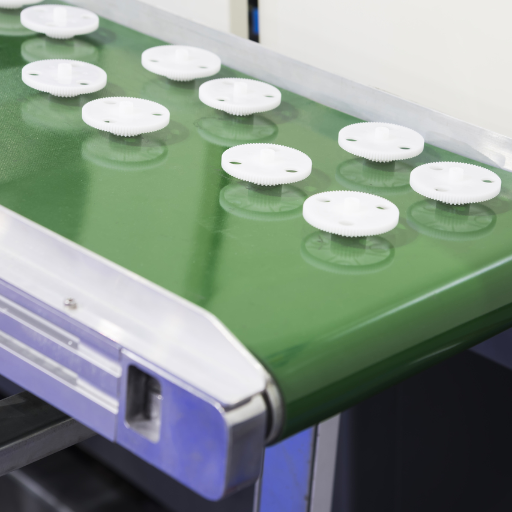
As a person involved or interested in the design and production of plastic components, it
Learn More →