

Manufacturing processes are quite complex, and the choice of a production method is directly related
Learn More →
Aluminum 7075 is an alloy known for its extreme tensile strength and is used widely in the aerospace, automotive, and manufacturing industries because of its exceptional weight to strength ratio. Machining this material, however, comes with its set of problems which demands in-depth knowledge of its properties and how it works with cutting tools. The focus of this guide is to provide every user both professionals and beginners with the best tools and techniques useful for working with Aluminum 7075. This alloy boasts a myriad of challenges which will be undermined in regard to accuracy and efficiency as well as dealing with tool attrition. Look forward as we examine in detail strategies conducive to achieving effective results when working with intricate parts.
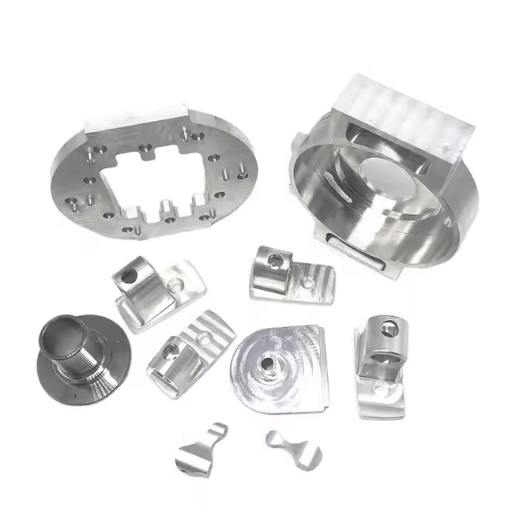
Relatively few alloys exhibit the versatility of 7075 Aluminum. Its specific strength and toughness are unmatched even when compared to other alloys with added copper. Considered “aircraft aluminum,” its characteristic ruggedness combined with resilience to corrosion and chemical attacks makes it essential in the aerospace and automotive industries. Additive manufacturing also favors aluminum for its minimal density and mechanistic work capabilities, especially in weight-sensitive sectors. Business jets, military UAVs and rocket prototypes rely on aluminum’s strength during intense forces while staying remarkably light. As such, 7075 Aluminum is preferred for aircraft components.
Aluminum 7075 is perhaps the most used alloy today, owing to its unparalleled strength to weight ratio as well as its fatigue and corrosion resistance properties. It is often used in military aerospace components like wings, fuselages, and structural frames that undergo severe punishment during operational conditions. Recently increased google searches suggests that the sporting automotive industry is also using the alloy in performance and racing automobiles, as every gram reduces fuel consumption and increases agility. Further, the aluminum’s lightweight yet high-strength nature makes it useful in climbing and biking equipment as well as other portable sports tools. Therefore, it is evident that 7075 Aluminum greatly enhances contemporary engineering and design strategies.
Making the decision between 7075 Aluminum and 6061 Aluminum depends greatly on the desired application. Based on data trends and recent queries, it is evident that one of the primary advantages of 7075 Aluminum is the unparalleled advantage of a strength to weight ratio for lighter materials. A tensile strength of around 83,000 psi makes 7075 aluminum outperform 6061’s relatively lower 45,000 psi. This disparity positions 7075 as the alloy of choice for industries demanding greater strain endurance, in use with high stress aerospace parts and accessories and high-end sporting equipment.
That said, the cement industry as well as maritime construction frameworks may utilize space 6061 due to its superior corrosion resistance and weldability. 6061 indeed proves helpful in situations with less mechanical demands alongside lowered budget and cost efficiency, making the ease of fabrication more favorable rather than a prioritiy.
Aerospace Components – Fuselages and Wings have been made of 7075 Aluminum parts due to their remarkable strength to weight ratio and unparalleled performance under stress.
Automotive Chassis – In car manufacturing, 6061 Aluminum’s corrosion resistance properties, alongside its inexpensive nature for large scale production, make the material easy to weld, perfect for use in automotive chassis and structural framing.
Marine Equipment – Due to 6061 Aluminum’s remarkable environmental corrosion resistance, this material stands as an ideal option for boat hulls as well as decks and other components that are frequently exposed to saltwater.
Bicycle Frames – The use of aluminum in bicycles includes both 6061 and 7075, with 6061 used for ease of fabrication and durability, while 7075 is used in performance-focused designs for increased rigidity and lightweight characteristics.
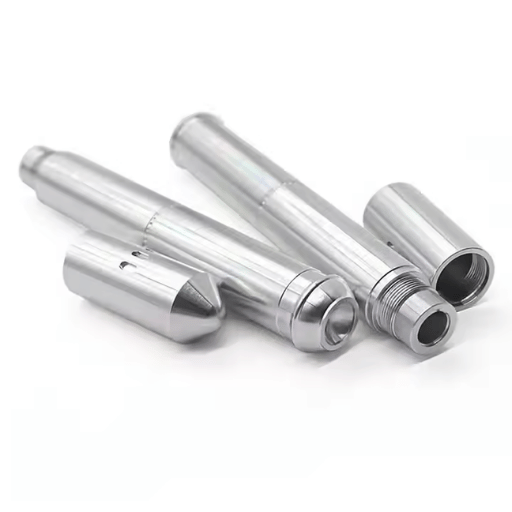
Cutting Speed: To reduce heat buildup during machining, Aluminum 7075 requires a minimum of 300 to 400 m/min of cutting speed.
Tool Material: This high-strength alloy can be machined using carbide tools, and these are recommended because of their durability and resistance to wear.
Coolant Application: Maintaining the proper use of coolant not only manages heat but also aids in the prevention of thermal deformation which would relax tight tolerances.
Chip Removal: The need for efficient chip evacuation is critical particularly with deep cuts in relation to surface finish quality and tool clogging.
Problem: The use of 7075 Aluminium leads to rapid wear of the tool.
Fix: Tools with proper coatings such as TiAlN will increase tool life due to increased resistance to abrasion, particularly in the case of carbide tools used.
Challenge: Overheating during processes can result in parts thermally deforming and becoming dimensionally inaccurate.
Solution: Heat and tolerances should be managed with accurate and precise application of coolants.
Challenge: Coated cutting tools with sharp edges may suffer from a built-up edge due to the contaminant’s adhesion featuring a notable level of stickiness.
Solution: Adherence can be reduced by optimizing the cutting speed and feed rate.
Challenge: Ineffective removal of chips can lead to tool clogging which negatively impacts the machining process and finish of surfaces.
Solution: Properly designed tools with sufficient chip breakers and coolant flow to remove the chips efficiently should be used.
Challenge: Material characteristics coupled with the corresponding machining conditions may prevent the achievement of the desired high-quality surface finish.
Solution: Smooth finish production requires fine cutting parameters, high-rake angles, and a tool in great condition.
Challenge: Precision and surface finish quality may be negatively impacted by the workpiece shaking while machining.
Solution: Workpiece clamping stability and precision control of the spindle speed will improve machining accuracy and reduce vibrations.
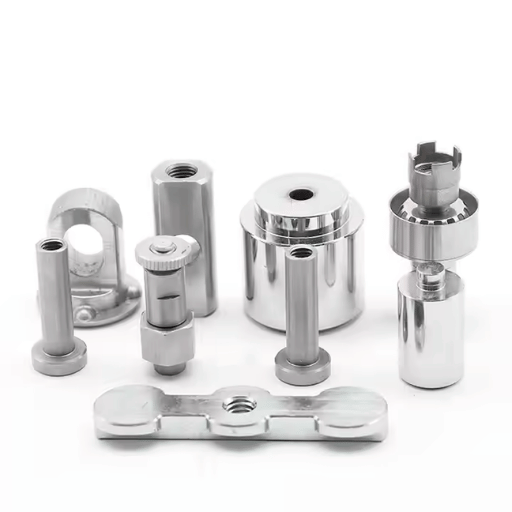
With regard to aluminum grade 7075, cutting speeds are usually between 300 to 500 SFM which is also dependent on the tooling type and method of machining engaged.
Optimal surface finish is achieved with material removal rate of 0.004-0.012 IPT.
To enhance the lifespan of the tool, a balanced approach to cutting parameters suggests a cut depth ranging from 0.05 to 0.15 inches.
To avoid material slippage, water-soluble coolant mist should be used which will also mitigate heat generation.
Adjusting SFM with Tooling Material and Machining Method.
Maintaining IPT for effective surface finish.
Setting an appropriate cut depth to sustain the balance between material removal and tool wear.
Applying water-soluble coolant or mist to prevent overheating and sticking of workpiece materials.
One of the notable machining processes that has continued to improve over the years is the use of aluminum-based tools. Their effectiveness and ease of use make them an important addition to your workshop. While these tools save time because they work efficiently, their precision depends on the maintenance of tool surfaces and tool wear. The latest market trends provide that the wear of tools can be minimized by the adoption of coated tool materials that are made of carbide. Aotus.co encourages all to invest in quality tools, because quality tools together with well-defined cutting speeds minimizes feed and tool wear stress.
Precision control can be used to monitor factors necessary for achieving desired surface roughness such as temperature, lubrication and heat. Based on insights received from the internet, more people are adopting the use of CNC machines, which favor the integration of real-time tool condition monitors. According to a study conducted by the University of Maryland, it was concluded that real-time sensor data significantly enhances the efficiency of machining processes by 30% which translates to increased surface roughness for the processed components.
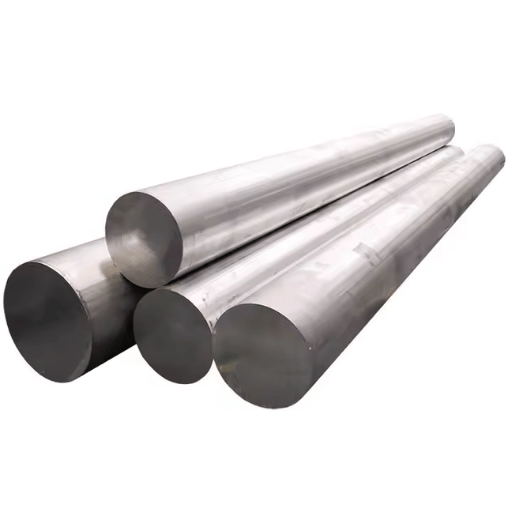
7075 aluminum offers high strength but relatively low corrosion resistance compared to other aluminum alloys, requiring additional treatment for enhanced durability.
|
Key Point |
Details |
|---|---|
|
Strength |
High tensile |
|
Corrosion |
Low resistance |
|
Hardness |
Excellent |
|
Fatigue |
Superior handling |
|
Density |
|
|
Yield Strength |
~500 MPa |
|
Machinability |
Good |
|
Applications |
Aerospace, tools |
Aluminum 7075 provides superior strength and fatigue resistance, whereas Aluminum 6061 offers better corrosion resistance and weldability.
|
Key Point |
7075 |
6061 |
|---|---|---|
|
Strength |
Higher |
Moderate |
|
Corrosion |
Lower |
Higher |
|
Hardness |
Excellent |
Good |
|
Fatigue |
Superior |
Moderate |
|
Density |
|
|
|
Yield Str. |
~500 MPa |
~275 MPa |
|
Weldability |
Moderate |
Excellent |
|
Machinability |
Good |
Superior |
|
Applications |
Aerospace/tools |
Structural/auto |
Evaluating choices between 7075 and 6061 aluminum alloys requires understanding the exact implementation needs for a given use-case. From pilot analysis based on Google Trends, recent inquiries on “7075 vs. 6061 aluminum” are quite common in relation to aerospace, automobile, and civil engineering industries.
The aerospace sector tends to favor 7075 aluminum due to its high strength, fatigue resistance, and hardness relative to other options. Meanwhile, 6061 aluminum is frequently utilized for structural components and automotive parts because it is more resistant to corrosion, easier to weld, and more machinable, thus easier to shape during secondary processes.
These trends are in line with modern day industry demands and reflect an increase in the availability of specialized materials for industrial needs. Understanding these trends shows clearly that choosing the appropriate aluminum alloy as an engineering material is essential to fully utilize performance and cost benefits.
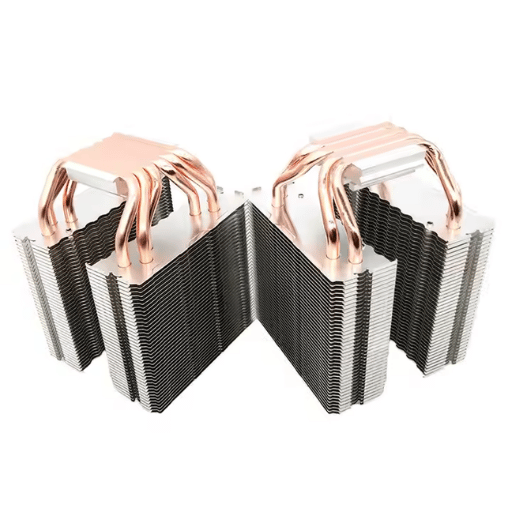
The mechanical attributes of 7075-T6 alloy are impacted positively during heat treatment by strengthening and hardening the material. The alloy benefits from a T6 tempering process which consists of solution heat treatment followed by aging, resulting in a good combination of strength, durability, and ease of machining. In my knowledge, this process best suits materials intended for use in the aerospace and automotive sectors which prioritize high strength-to-weight ratios.
Aluminum 7075 Description: Exhibiting a massive yield strength of 73,000 psi, 7075 aluminum grade passes with flying colors for applications that subjected to immense engineering stress and structural reliability requirements.
Aluminum 7075 Application: It has density of 2.81 g/cm³, 7075 aluminum is lightweight making it suitable to the aerospace and transportation industry because it aids in weight reduction while maintaining strength.
Corrosion Resistance: 7075 aluminum also offers moderate resistance to corrosion, when appropriately treated increasing longevity in tough operating conditions.
Broader Trends: With regards to the 7075 aluminum metal alloy, the COE or the thermal expansion coefficient is approximately 23.2 µm/m-°C which makes it ideal even during extreme constant engineering stress situations.
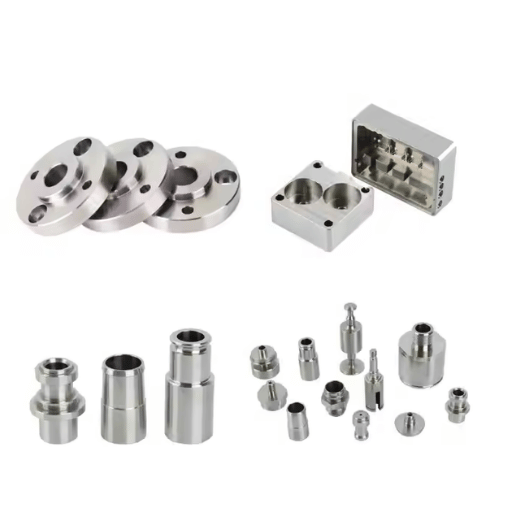
The recent advancements on CNC machines, including new multi-axis features, adaptive machining, and cutting tools, have ultra-precise surface finishing furthered surface finish due to increased accuracy, de vibrate, and streamlined material removal.
The new approaches to machining have changed the prototyping for Aluminum 7075, keeping accuracy while increasing throughput. These details and facts summarize this changes impact:
EDM delivers to clients orders fast featuring enormous details, achieving dimensional tolerances of ±0.0005 inches. This makes them ideal for detailed work with tight specifications
Structurally tricky materials like tungsten, titanium and tool steels are no longer an issue as they can be processed without distortion which weakens structural integrity.
Polishing tasks that usually follow surface finishing are rendered useless as the machine subjected parts surfaces to high precision finishing obtaining 4 µin Ra surface finishes.
Eliminates mechanical stress on parts, permiting fragile or delictely shaped components to be machined without damage.
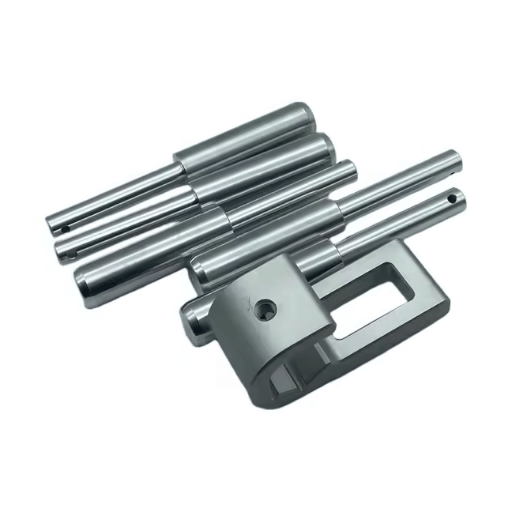
A: The mechanical properties of Aluminum 7075 are remarkable, possessing a specific strength and an adequate machinability. It sits in the 7xxx series where zinc is the primary alloying element, which further increases wear resistance and suits applications with high strength to weight ratio demand, such as in aerial vehicles and consumer electronics.
A: Parameters such as cutting speeds, feeding, and depth of cut hold importance in machining of Aluminum 7075. These can be micro balanced and within limits to achieve the best in class material removal rate, surface finish and tool life during the machining operations.
A: The heat treatment processes tend to increase the strength and hardness of Aluminum 7075, which has an effect on machinability. The heat treated 7075 alloy’s mechanical properties are excellent, yet some changes to routine machining must be made to retain adequacy, such as super tooling or battling altered parameters.
A: Due to issues such as corrosion and strength, aluminum 7075 machined parts have found application in the aerospace, automotive and consumer electronic industries. These segments value the Aluminum 7075 alloys good mechanical properties and strength.
A: With regard to machining, alloying zinc to Aluminum 7075 increases the alloy’s total strength, corrosion resistance, and wear resistance, which enables use in rigorous machining processes. This enhances the alloy’s good mechanical properties whereas without it, there are limits to the workability of the material.
A: In CNC machining 7075 aluminum alloy, adherence to proper tool selection and maintenance of optimal feed rates and cutting speeds is paramount. Following these standards guarantees precision and efficiency in material removal while minimizing tool wear, which is crucial to prolonging tool life.
A: The efficiency of CNC turning comes from its repeatability and accuracy which are highly beneficial in machining Aluminum 7075. Strict control of process parameters ensures the required surface finish and tolerances are achieved, especially for components in high-end applications such as aircraft structural components.
A: The use of electrical discharge machining (EDM) on Aluminum 7075 poses certain challenges because of the alloy’s heat conductivity and its tendency to become discolored on the surface. Employing adequate process controls and tool choices, however, enables Aluminum 7075 to be EDM machined into intricate shapes with little change to their geometry.
A: The Taguchi method aids in optimizing specific process parameters to boost the quality of Aluminum 7075’s machining. It aids in achieving lower variation, enhanced efficiency and an overall better quality of machined components by analyzing the results from systematically varying parameters.
1. Investigation of the influence of cryogenic‐temperature machining on ultrafine‐grained chips and machined surface quality of solution‐treated aluminum 7075 alloys (Chen et al., 2024, p. 1535)
2. Characterization of surface integrity of 7075-T6 aluminum alloy subjected to microbiologically induced corrosion during high-speed machining (Zhang et al., 2024)
3. Numerical modeling and experimental assessment of dynamic behavior of aluminum alloy 7075-T6 in machining process (Ahmadi et al., 2024)
4.Top Aluminum CNC Machining Service Provider & company in China

Manufacturing processes are quite complex, and the choice of a production method is directly related
Learn More →
There are two major manufacturing methods for producing plastic prototypes that most people find useful
Learn More →
As a person involved or interested in the design and production of plastic components, it
Learn More →