Fraud Blocker

Author name: Karry

What are the environmental considerations for using POM?

Polyoxymethylene (POM): The Versatile Thermoplastic Engineering Plastic

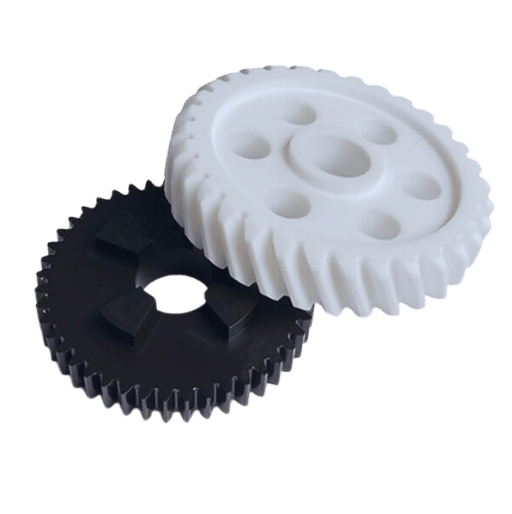
Polyoxymethylene (POM) is a thermoplastic, not a thermoset. That single distinction shapes how it is processed, recycled, and machined into precision parts. POM offers high stiffness, low friction, and excellent dimensional stability, which is why it appears in everything from automotive gears to medical device components. For a deeper look at CNC processing parameters and […]

Polyoxymethylene (POM): The Versatile Thermoplastic Engineering Plastic Read More »
1.1 6

Understanding POM Machining Tolerance: Precision and Importance in CNC Manufacturing

Standard CNC machining tolerances for POM (Polyoxymethylene) range from ±0.05 mm to ±0.1 mm, though tighter holds are achievable with the right tooling and thermal controls. POM’s high dimensional stability and low moisture absorption give it an edge over nylon and ABS in precision work, but its thermal expansion rate still demands careful process planning.

Understanding POM Machining Tolerance: Precision and Importance in CNC Manufacturing Read More »

8.1 3

NASA’s Innovative Use of Carbon Fiber Composites in Aerospace Applications

NASA has relied on carbon fiber composites for decades, using them in everything from satellite panels to rocket motor casings. The material’s exceptional strength-to-weight ratio, thermal stability, and radiation resistance make it indispensable for spacecraft that must survive launch loads and the harsh environment of space. This article examines how NASA applies carbon fiber technology

NASA’s Innovative Use of Carbon Fiber Composites in Aerospace Applications Read More »

7.1 6

Is It Safe to Cut Carbon Fiber? Expert Guide to Cutting Carbon Fibre Composites

Yes, you can cut carbon fiber safely—but only with the right tools, technique, and personal protective equipment. Carbon fiber composites generate fine, abrasive dust during cutting that can damage lungs and degrade unprotected machinery. This guide walks through the safest cutting methods, the best tools for clean edges, and the precautions every operator should follow.

Is It Safe to Cut Carbon Fiber? Expert Guide to Cutting Carbon Fibre Composites Read More »

6.1 5

Ultimate Guide: Discover the Best Machine to Cut Carbon Fiber Like a Pro

Choosing the right machine to cut carbon fiber depends on part thickness, tolerance requirements, and production volume. Water jets, CNC routers, laser cutters, and diamond-coated hand tools each have distinct advantages for different applications. Below, we compare the leading options so you can match the right equipment to your project. For a deeper look at

Ultimate Guide: Discover the Best Machine to Cut Carbon Fiber Like a Pro Read More »

5.2 5

Unveiling the True Cost: How Much Does 1 kg of Carbon Fiber Set You Back?

Standard-grade carbon fiber typically costs between $10 and $20 per kilogram, while aerospace-grade fiber can exceed $100/kg depending on specification and order volume. Raw material costs, production method, quality grade, and economies of scale all drive the final price. This article breaks down every major cost factor so you can budget accurately for your next

Unveiling the True Cost: How Much Does 1 kg of Carbon Fiber Set You Back? Read More »

4.1 8

Carbon Fiber CNC Machining: Tooling, Processes, and Best Practices

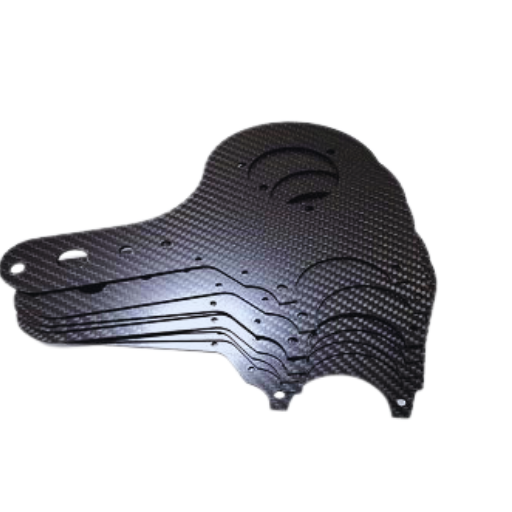
What Is Carbon Fiber Machining? Carbon fiber machining is the process of cutting, drilling, milling, and finishing carbon fiber reinforced polymer (CFRP) composites to precise dimensional specifications. Unlike metals, CFRP is an engineered composite — carbon fibers embedded in a polymer matrix (usually epoxy) — that derives its properties from fiber orientation, resin type, and

Carbon Fiber CNC Machining: Tooling, Processes, and Best Practices Read More »

3.1 8

Titanium vs Tungsten: Which Metal Reigns Supreme for Wedding Bands?

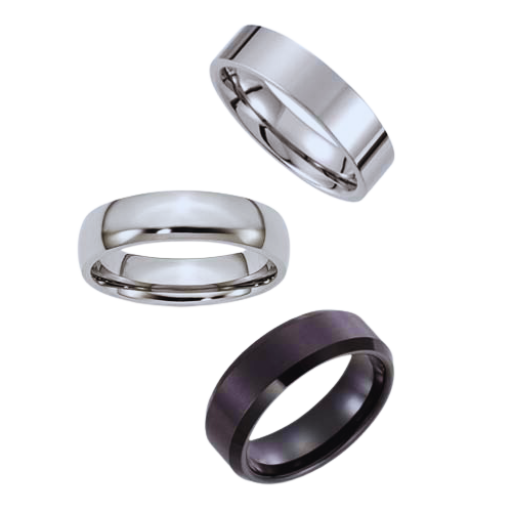
Choosing the perfect wedding has always been dominated by a strict equilibrium of style, durability, and practicality. In contemporary practice, however, Titanium and tungsten have emerged as frontrunners and stand out due to the attribute that they serve as the perfect middle ground. But which one serves more adequately for such a prominent expression of

Titanium vs Tungsten: Which Metal Reigns Supreme for Wedding Bands? Read More »

1.1 3

The Ultimate Guide to Machining Titanium: 10 Expert Tips for Milling Grade 5 Alloy

Grade 5 titanium (Ti-6Al-4V) combines high strength with low thermal conductivity and aggressive work-hardening, making it one of the most demanding alloys to machine. For a broader overview of the entire process, see our titanium CNC machining guide. Below are 10 expert-backed tips that will help you optimize tool life, manage heat, and hold tight

The Ultimate Guide to Machining Titanium: 10 Expert Tips for Milling Grade 5 Alloy Read More »

2.1 3

Mastering Titanium Machining: Choosing the Right Tool for Optimal Results

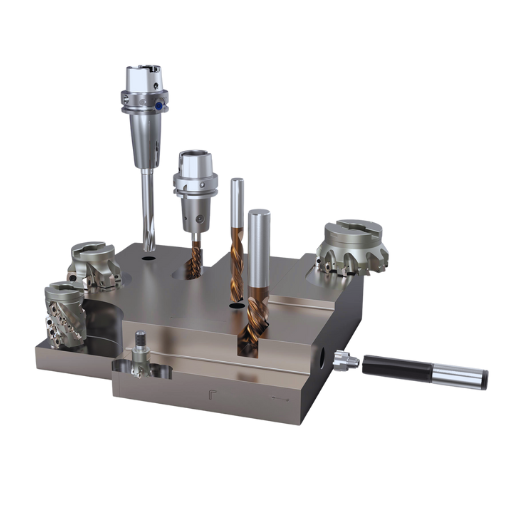
Choosing the right cutting tool is the single biggest factor in successful titanium machining. Titanium’s high strength-to-weight ratio, low thermal conductivity, and tendency to gall demand tooling that can handle extreme heat and cutting forces. For a complete look at grades, parameters, and applications, see our CNC machining titanium guide. This article focuses specifically on

Mastering Titanium Machining: Choosing the Right Tool for Optimal Results Read More »

Scroll to Top