

Manufacturing processes are quite complex, and the choice of a production method is directly related
Learn More →
At first glance, understanding ‘the melting point of wax’ may seem trivial. However, it is crucial in various fields like manufacturing, engineering, cosmetics, and even candle-making. Analyzing the processes that are involved with how and why wax melts might help us understand its behavior, performance, and, ultimately, its applications. In this article, we will attempt to describe what is meant by melting points of wax and what the scientific principles are, as well as the underlying factors impacting this industrial property. Whether practical or industrial in nature, this attribute is vital. From technical specialists to refined hobbyists, this guide will assist anyone seeking to deepen their understanding of wax to achieve ease and confidence in executing wax-based processes.
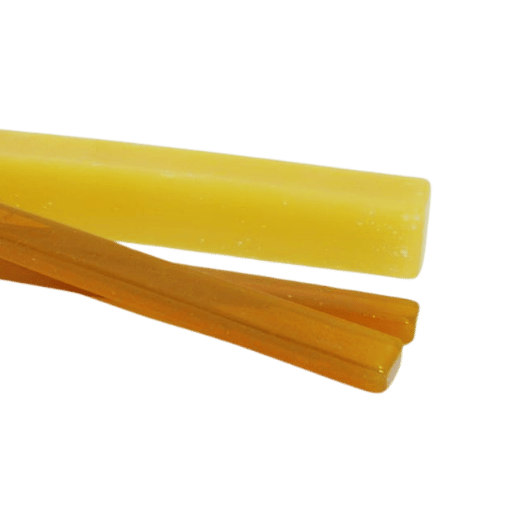
The melted stage of wax is imperative in candle manufacturing because it can determine the performance of the candle, its appearance, and even its safety. It will ensure that the wax is capable of fragrance and dye retention and burns at the appropriate rate. Higher melting point waxes will be required for pillar candles and any other candles that need to endure higher temperatures, whereas lower melting point waxes are preferable for container candles. Knowing the melting point will also avoid problems such as too much soot or uneven burning, thus helping in producing dependable and quality candles.
The burning and overall performance of a candle highly rely on the melting point of the wax. Freestanding candles, such as pillars, require hotter, freestanding waxes because the thickened seals require more heat to melt. For container candles, hoses that are used for mounting are far easier to melt and pool and thus give out more during burning. To guarantee even the melting and burning of the candle, soot, and reliable outgassing of fragrance, the selection of appropriate wax and its type needs to be aligned will all forbidden desires in their eyes.
Paraffin Wax
Soy Wax
Beeswax
Palm Wax
Gel Wax
Coconut Wax
Various wax types possess unique characteristics,applications and understanding their melting ranges is critical to selecting the right material for your candle making project. This guarantees optimal performance, uniformity, and safety in the final product.
Melted candle wax has a certain temperature which when reached affects the burn time of the candle. Wax with a higher melting point melts slower and requires more heat to burn, therefore lasts longer. On the other hand, wax with lower melting point burns faster. In order to achieve desired burn duration and performance as a candle, selection of wax based on melting point is crucial.
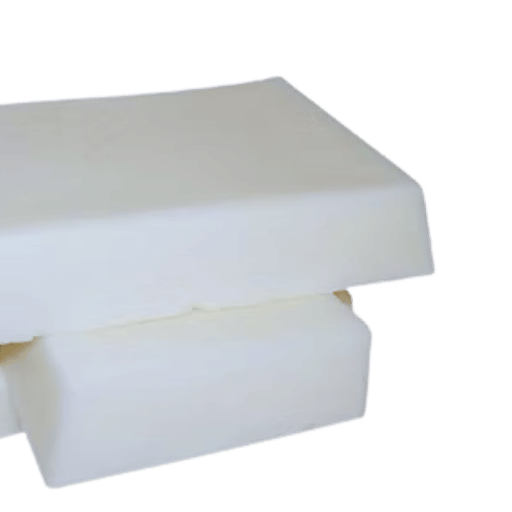
Paraffin wax is important in the manufacture of candles because it determines the melting point of a candle depending on the molecular structure. In my view, paraffin wax is quite flexible, with its melting point altered by refinement processes. Higher melting point paraffin is frequently used in pillar candles, and appliances, where strength and slow burning endure, are required because it stays solid in warmer conditions. This trait allows it to serve as an ideal option during the manufacture of candles, which are used for shaping purposes and are expected to last during prolonged use.
Soy wax and beeswax are optimal for low-melting applications because of their distinct characteristics. Soy wax is ideal for container candles because it burns clean and has a low melt point, which enables it to hold fragrances really well. Additionally, beeswax has distinctive ‘air purifying’ qualities because it emits negative ions, which helps lessen indoor air pollution. Both waxes are easy to work with to create smooth-burning candles due to their softness. Furthermore, these materials are sustainable because soy wax is made from soybeans, and beeswax is a byproduct of honey, making them desirable for environmentally focused efforts.
Microcrystalline wax possesses unique characteristics that make it ideal for candle making. It has a higher melting point than other waxes which increases its ability to withstand higher temperatures without deforming. Moreover, its flexible and sticky nature facilitates the blending with other waxes and additives, leading to a smooth and durable finish. It is also common knowledge that microcrystalline wax retains fragrance better than other types, meaning it can produce highly scented candles rich in aroma when burned. These attributes make it ideal for the making of both decorative and functional candles.
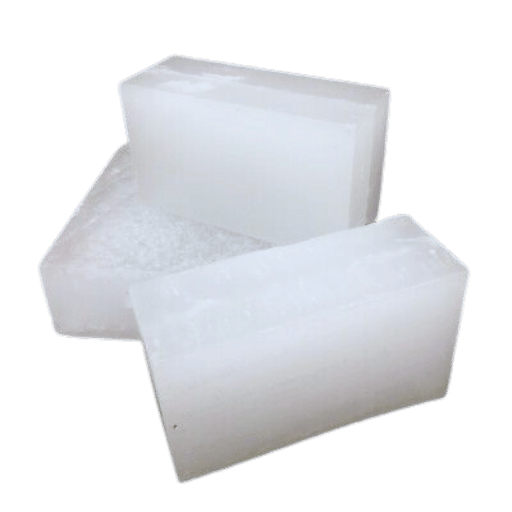
The melting point of candle wax can change drastically depending on the type and amount of additives used in the formulation. Some of the most common modifiers of melting point, texture and performance of wax include stearic acid, Vybar, and beeswax. An example would include stearic acid which is also known for raising the melting point, though only by a few degrees, along with hardening the wax which improves its durability and structural integrity. This is especially valuable for pillar candles which require a firmer composition.
Vybar, another popular additive, also modifies the melting point while increasing opacity and fragrance retention. Its addition to paraffin or soy wax blends change the thermal properties of the wax allowing better control over burn time and scent release. Softer additives such as beeswax or vegetable oils on the other hand lower the melting point which makes the overall texture more pliable and easier to mold or carve.
To elaborate, research shows that adding stearic acid to paraffin wax in the range of 5–10% concentration increases the melting point from about 120°F (49°C) to approximately 130°F (54°C). At the same amounts, Vybar increases the melting range by around 2-3°F. Regardless, these numbers might shift depending on the particular blend of wax and the conditions under which the candle is produced.
These relationships can help candle makers plan and use different additives that can help achieve target melting points, ensuring optimal candle performance across different environments.
The melting temperature of materials, as well as the uniform structure, is altered by the presence of impurity levels. Depending on their nature and relationship with the base material, impurities can either increase the melting point or decrease it. For example, soluble impurities lower the melting temperature and are common in solutions and compounds. On the other hand, some insoluble impurities may raise the melting point by preventing the material from achieving a consistent molten state. In applications that depend on precision for melting points, purity is of utmost importance; in these marked cases, even small impurities can severely impact performance or quality.
The relationship between temperature and wick size has impacts on the performance and efficiency of combustion-based systems like candles and oil lamps. Temperature affects fuel’s viscosity which determines how the liquid moves through the wick. Plus, lower surrounding temperatures increase fuel viscosity, which slows down movement through the wick. Hence, higher surrounding temperatures can lead to a smoother and steadier flame, while lower temperatures may disrupt the process, resulting in uneven burns or extinguished flames.
Furthermore, the size of the wick contributes to the burn rate and stability of the flame. Larger wicks promote higher fuel flow and generate larger flames. Although these flames may produce greater light, they will consume fuel faster and produce soot. Alternatively, smaller wicks burn slower, leading to less light but using less fuel and leaving less residue. As such, precise control over wick size and temperature is critical. For instance, calculations have determined optimal outcomes with a wick diameter of 2 to 3 mm in the candle heating range of 20 to 25 degrees Celsius, balancing fuel conservation and light output.
These observations underscore the importance of selecting compatible materials and designs with the expected operating conditions, i.e., the temperature and wick dimensions, due to their ability to dramatically affect the entire system.
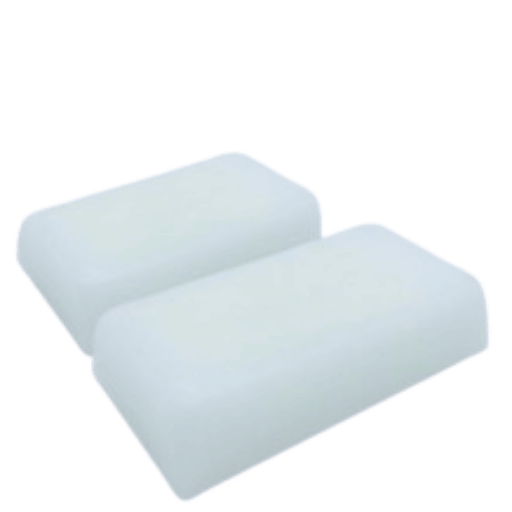
Depending on the grade and refinement of paraffin wax, it has a melting point anywhere between 120°F and 160°F. The melting point of wax is relatively low and uniform, which makes it useful in industries like candle making, where melting and re-solidification must be consistent. Also, paraffin wax can be used in products that require molding, coating, or industrial lubricants because of its efficient melting characteristic. It is remarkable how these properties make such a wide range of applications in different industries.
The sustainable edges and specific benefits of coconut wax and palm wax set them apart in various industries. Both types of waxes come from renewable and natural sources, which is an advantage over petroleum-based waxes.
Benefits of Coconut Wax:
Benefits of Palm Wax:
With these attributes, industries can manufacture sustainable, high-quality products and decrease their eco-impact at the same time.
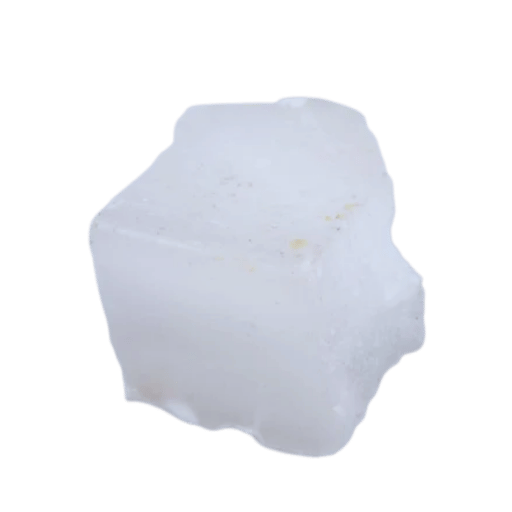
Choosing the right type of wax is critical in achieving an optimal burn time and scent throw. Paraffin wax is ideal for strong fragrances because its scent throw is excellent, while soy wax has a cleaner burn and works well with natural scent oils, but the throw may need to be adjusted. Blended waxes strengthen different types of waxes, balancing scent throw and burn performance.
It is critical to identify high-quality fragrance oils that suit the wax being used. Be sure to use fragrance oils made for candle production, as they are designed to mix well with wax. Also, take into account the fragrance load capacity of your chosen wax; exceeding this limit can negatively impact performance.
With the proper ratio of wax and fragrance oil, desired outcomes can be achieved, making the candle satisfying and consistent.
For safe and effective melting of candle wax with a high flash point, temperature control is vital. The flash point of a wax is the temperature at which its vapors can ignite if a flame or spark is applied. Variable types of candle-making waxes flash points differ, with most sitting between 125°F (51°C) and 490°F (254°C). Soy and certain paraffin blends have high flash points, and standing within proper melting temperatures minimizes potential overheating and ensures quality wax.
The recommended melting range for most high flash point waxes typically falls between 175°F (79°C) and 185°F (85°C). During the heating stage, accurate thermometers should be used of the utmost importance, lest the limit be breached. Under no circumstance should the upper bound threshold be breached, as off-color changes, alteration of texture, or scent evaporation can take place, destroying the candle’s quality. For best results, fragrance oil’s safest binding flash point alongside safety bound temperatures allows for the wax to cool 130°F (54°C) to 160°F (71°C) pre-addition.
To ensure accuracy, consult the documentation from your wax supplier as they often include melting points, flash points, and ideal blending temperatures for fragrance oils. Following these tips combined with adequate ventilation and safety protocols can improve the overall efficiency of production while simultaneously creating high quality candles.
Candlemakers have incorporated innovative measures and techniques to enhance quality and efficiency. This includes utilizing new molds made from silicone or aluminum for easier candle finishes and more precise shaping. In addition, many artisans now use eco-friendly and natural sustainable waxes such as soy and coconut. Furthermore, to improve throw, eroded candle scent retention and mixed additives meant for production. For large-scale pouring operations, several companies also implement automated systems to ensure uniform standards among sets. All this results in impeccable craftsmanship and overall superior customer satisfaction.
A: The operating melting temperature of paraffin candles is in the range of 120 to 160 degrees Fahrenheit as a specific type of wax is used in the candle.
A: The melting point varies based on the type of wax used. For example, carnauba wax, which is a plant-based wax, has a much greater melting point of about 180 degrees Fahrenheit, whereas beeswax has a range of 144 to 147 degree Fahrenheit.
A: Elements of wax such as its chemical composition together with its structure determine the melting point. With that said, we can take for example waxes with higher concentration of hydrocarbons which tend to increase the melting point.
A: The melting point of a wax depends on type of wax, purity of the wax and presence of additives. Also, other conditions such as temperature of the environment and the temperature of pouring the wax also affect the melting point.
A: Yes, The melting point of wax is important for different applications. For example, high-melt wax is good for heat resistant applications such as container candles, while lower melting points are better for lip balms.
A: The boiling point of a substance is the temperature at which it changes physically from liquid form to gas, this is considerably higher than melting point which is when the change happens from solid form to liquid form. Generally speaking, wax’s boiling point is not something candle makers concern themselves with but it is much higher than the melting point.
A: As it has been concluded, knowing the pouring temperatures assists in candle making so that wax may stick properly to the wick/molds without creating gaps or defects. This ensures candles have a smooth surface as well as burn cleanly which improves overall quality.
A: Indeed, various kinds of wax have different melting points. For instance, paraffin wax is less temperature sensitive than petroleum-based waxes or crude oil derivatives, which may take more heat to start melting.
A: As we mentioned before, there is a relationship between the resistance to heat and the melting point. The greater heat resistance waxes tend to have higher melting points, which is critical for industrial applications involving exposure to high temperatures.
A: Of course, the addition of some substances can change the melting point of the wax. Additives are made to change the physical properties of wax to fit certain requirements, for example, increasing the hardness, changing the color, or stabilizing the scent throw, which in turn effects the melting point.
1. Using Low Melting Point Wax for Automatic Inoculation of Bacterial Cultures
2. Determination of Wax Melting Point by DSC
3. Wax
5. Temperature

Manufacturing processes are quite complex, and the choice of a production method is directly related
Learn More →
There are two major manufacturing methods for producing plastic prototypes that most people find useful
Learn More →
As a person involved or interested in the design and production of plastic components, it
Learn More →