

Manufacturing processes are quite complex, and the choice of a production method is directly related
Learn More →
In the manufacturing process, metal stamping is essential as it allows the production of components with exacting standards of precision and quality which are used in many industries. On of the first metal stamping processes is choosing the right metal. This first stage not only determines the durability and functionality of the product but also its costs. This guide is focused on answering how to select the right metals for stamping and will outline material characteristics, application criteria, and manufacturing constraints besides other factors. You will find this information useful whether you are in the automotive, aerospace, or electronics industries or any other field because following this guidance would increase the likelihood of achieving optimal results in your endeavors.
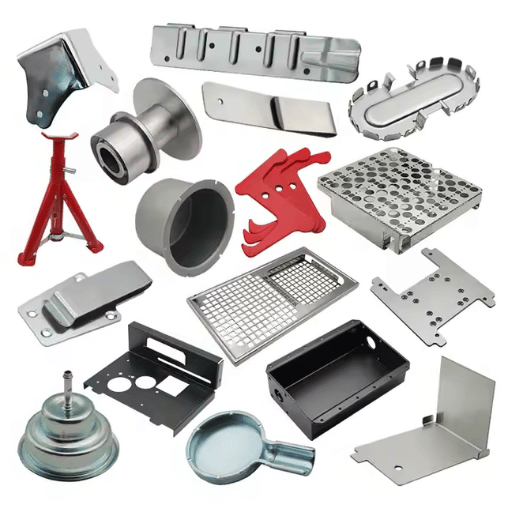
The selection of metal for stamping operations is determined by the optimal qualities necessary for the application. Some metals that are commonly selected include the following:
Steel (this includes carbon steel and stainless steel) – Steel is known to be strong and durable, making it suitable for automotive and industrial use.
Analyzing The Kinds of Metals Employed in Metal Stampings Unlike other suppliers, The engineering and technology sector, along with new application of requirements, has made radical changes in the methods and materials used in metal stamping. In comparison to the rest of the industry, automotive and structural uses have seen a surge in the appealing use of high strength, low alloy (HSLA) steels due to their available strength, weight and cost. Furthermore, for modern engineering and automotive safety requirements, the durability and crash resistence provided by ultra high strength steels (UHSS), along with advanced high strength steels (AHSS) is becoming more popular.
On the other hand, lightweight metals such as Al alloys and magnesium are now being adopted in other verticals like electric vehicles and aero space, which concentrate on weight savings. In this manner, these materials contribute towards the global sustainability objectives, especially in saving fuel and lowering carbon emissions. Also, there is now a wider and wider use of so-called smart alloys, like shape-memory metals, used in medical and technologic devices due to their distinctive features.
Such techniques demonstrate the ongoing changes and upgrades of the composition and processing of the metals to suit specialist industrial requirements.
A few of the most important considerations when choosing materials for metal stamping include the stiffness and endurance. For example, high-strength steels (HSS) utilized in automotives are well known for their tensile strength, which can vary within the range of 300 MPa to 2000 MPa. This provides structural strength while keeping the light weight required for fuel economy. Aluminum alloys have traditionally been employed in aerospace and consumer electronics because of their superior strength to weight ratios, and they also withstand corrosion in severely challenging environments.
Materials must possess sufficient ductility and formability to withstand elaborate stamping processes without separation. For instance, annealed low carbon steel is an alloy of steel that is more suited for manufacturing applications that require complex designs due to its high elongation rate of over 40 percent prior to fracture. Also, stainless steels like 304 and 316 grade have high formability and are used in a wide range of products such as kitchen appliances and medical devices.
Alloyed metals, like copper, are remarkably useful for regions where thermal and electrical conductivity is vital. The inclusion of pure copper in electronic connectors, heat sinks, and thermal management systems is indicative of its unrivaled efficiency. While being slightly less conductive than copper, aluminum’s lightweight and low-cost nature at high quantities make it equally useful.
The impact of corrosion resistance on component longevity and reliability is significant. Stainless steels have high corrosion resistance due to the addition of chromium, which not only passively protects the metal but also comes with a minimum of 10.5%. Likewise, titanium alloys, which are commonly used in medical implants and aerospace, are lightweight, highly corroded, and make them well-suited for harsh environments.
The requirements of each industry dictate their selection of materials. Take for instance, the auto mobile industry, which relies on advanced high strength steels (AHSS) which account for over 60% of structural components thanks to their lightweight and crash performance. On the other hand, the electronics industry makes greater use of beryllium copper alloys for connectors due to their extreme springiness and remarkable electrical conductivity.
With this approach considering data regarding material selection, beryllium copper alloys, and metal stamping parts are sure to meet the performance, safety, and efficiency requirements sidelined by modern technologies.
In the case of stamping operations involving steel, brass, and copper alloys, there are clear distinctive benefits of each material on the basis of specific performance needs. The use of steel, especially with high strength alloys, provides a particular preference due to its favorable tradeoff between durability and cost as well as for structural use. Brass performs well where aesthetics and protection from elements are critical due to its ability to resist corrosion and its excellent machinability. Beryllium copper alloys have superior elasticity and exceptional conductivity, making them appropriate for precision electronic parts. Careful consideration of mechanical parameters and thermal, electric performance plus the application specific cost will determine the optimal choice. The right selection of material facilitates not only functionality, but also lifecycle adequacy for advanced manufacturing approaches.
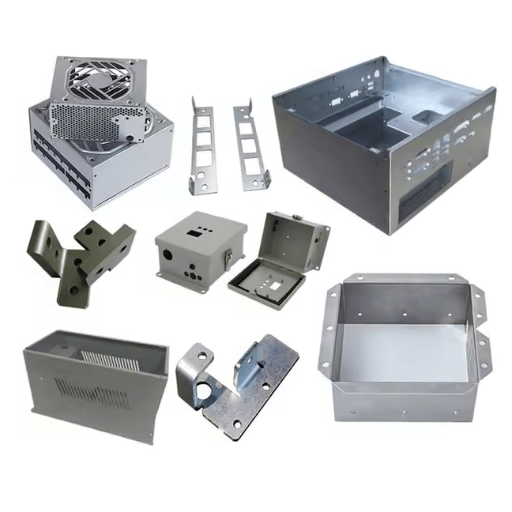
While choosing a metal for stamping, it is critical to consider material attributes that relate to performance and manufacturability. Here is a summary of important attributes and relevant data parameters:
Metals with higher tensile strength are more difficult to deform and may require higher press forces, which affects tool wear and power consumption. For example:
The evaluation helps blend the technical metrics and the project planners flexibly in making decisions which enhance efficiency, cost control, and the quality of the products. It is advisable to carry out statistical simulations and prototype the solution for verification at the planning phase.
When perforning evaluations of durability and corrosion resistance in metals, external conditions or factors of the working environment are equally important. Taking, for example, stainless steel (304 or 316 grades), which possess excellent resistance to various forms of corrosions due to the presence of chromium that oxidizes to form a protective layer. Grade 316 possesses additional molybdenum making it ideal for marine or very acidic environment. While aluminum is lightweight, it also oxidizes and, therefore, requires anodizing in more extreme conditions. Salt spray tests and electrochemical analysis are useful for measuring and providing figures to prove that the metal used, withstands the operational challenges it is meant to serve.
For selecting raw materials, one must consider the best options in terms of value, suitability to the environment, and flexibility. In corrosive applications, treated aluminum or stainless steel are lower cost alternatives due to their extended lifespan and resistance to corrosion. In addition, the operational requirements of the applying the material needs to be considered especially the mechanical properties of the material that are required such as strength or weight. Performance and safety benchmarks can be confirmed through standardized tests such as post application stress and corrosion analysis. Focus on accomplishing the best performance materials with the most budget-friendly options for maximum results.
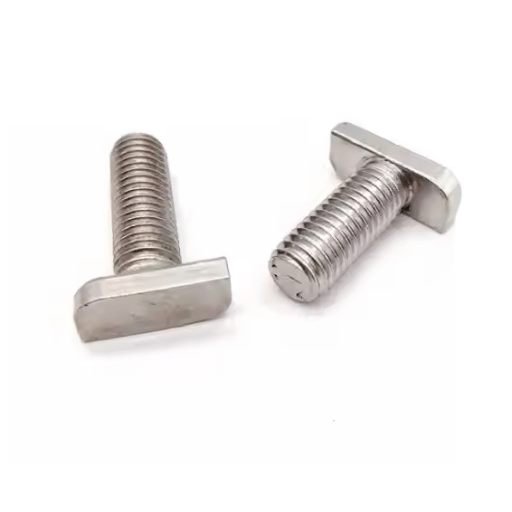
Steel alloys have a multitude of benefits when it comes to metal stamping due to their strength, durability, and versatility. These alloys are specially designed for high-pressure operations enabling precise and complex components to be manufactured. Their remarkable hardness and tensile strength guarantee high performance over a prolonged period of time, even under harsh conditions. In addition, steel alloys have outstanding resistance to wear and tear, which minimizes tool breakdown and increases equipment longevity.
Recent developments modern alloying techniques permits minimal cost while offering customized material properties such as improved machinability or resistance to corrosion for different industrial purposes. Also, the steel alloys remain cost effective by providing reliable performance and minimizing material consumption during manufacturing. The combination of reliability, versatility, and affordability make steel alloys a favorable options for various sectors including automotive, aerospace, and manufacturing industries which require metal stamping.
The use of steel alloys makes metal stamping easier, faster, and of much better quality. One of those attributes is their strength-to-weight ratio. Consider, for instance, high-strength low-alloy (HSLA) steels which can reach tensile strengths of 700 MPa while being 20-30% lighter than carbon steels. This performance helps manufacturers produce lighter and stronger parts, especially in the automotive industry.
Additionally, other forms of steel alloys also have better wear performance. Studies show that advanced high-strength steels (AHSSs), which most commonly get used in stamping dies, have up to 40% less surface wear compared to more traditional grades of tool steel. This improves production efficiency because it means longer die life and lower maintenance costs.
Another important feature of some steel alloys lies in their thermal conductivity. Steel alloys with these properties allow the stamping equipment to be cooled effectively during high-speed operations and are therefore useful in preventing overheating. For example, certain grades of stainless steel, such as 304 and 316, manage temperature very well without sacrificing precision or compromising the integrity of the material.
Finally, it has been shown in studies that the use of alloyed steels can increase stamping throughput by 15-20% due to their consistent machinability and lower rejection rates. This reflects how steel alloys enhance automations while retaining quality and uniformity of the products, which is advantageous to manufacturers working under severe time constraints and high production volumes.
For metal stamping, stainless steel has clear benefits, making it the material of choice for many industries. The following outline details the benefits and characteristics of stainless steel with respect to stamping processes:
Stainless steel’s ability to resist rust, oxidization, and corrosion makes it ideal for use in high-moisture, chemical, and extreme temperature environments.
Enables machining of lightweight yet robust components, which is helpful in the automotive and aerospace industries.
Components made of stainless steel are less prone to wear and tear, thus having an increased lifespan.
Keeps the structural integrity in high and low-temperature conditions, making it suitable for industrial, automotive, and food processing equipment.
Stainless steel surfaces can be easily maintained and cleaned, which decreases costs over time.
An aesthetically pleasing polished look which is important in consumer goods and architectural uses is added by its smooth finish.
It is also an environmentally responsible material for stainless steel with 100% recyclability because it supports sustainable manufacturing processes.
Provides predictable performance during stamping which reduces precise and reliable part dimensions and increases tool wear.
Moreover, offers a multitude of grades and surface finishes tailored to specific applications such as versatility and adaptability.
While the initial material expenses might be greater, the long term product life cycle cost is significantly lower because of savings obtained from its durability and low maintenance.
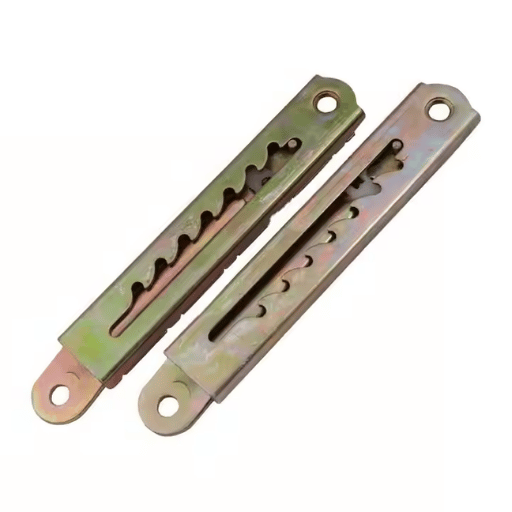
Issues related to performance, quality, and cost in stamped parts solely rest upon the attributes of materials. Some salient materials characteristics are the: tensile strength, ductility, hardness, and corrosion resistance of the parts which control the service life of the part.
For instance:
Tensile Strength: The advanced high strength steels (AHSS) possesses a high tensile strength of around 1500 Mpa which can withstand deforming loads. This makes them suitable for being used as structural materials. AHSS grades have Strength as high as 1,500 MPa.
Ductility: Alloys of aluminum have great ductility and can therefore be subjected to severe forms of manufacturing processes and they will not crack. Aluminum has a typical rate of elongation between 10 and 20%, with specific values contingent on the alloy.
Hardness: Tool steels are hardened to ensure their strength and wear resistance for applications with rubbing action or loading, This makes them durable. The hardness of tool steel is 50-65 HRC.
Corrosion Resistance: Stainless steel is resistant to environmental damage due to the chromium oxide layer at its surface. Stainless steel is functional in harsh conditions. Austenitic grades like 304 or 316 have high corrosion resistance.
These properties have to be balanced in order to satisfy the needs of material when put under specific conditions. Moreover, other restrictions, like tolerances on the thickness of the sheet, the extent of machining, and the price, also influence the choice of materials in precision stamping of metals.
Like any type of manufacturing, the choice of materials used for precision metal stamping can affect the overall efficiency and quality of productivity. Below is a comprehensive breakdown of important aspects to keep in mind along with the rationale behind each:
Stainless steel (grades 304 or 316) has reasonable corrosion resistance and thus would be able to endure and function well in corrosive or oxidizing environments.
Metals like high strength steel or titanium offer adequate mechanical strength for hardcore functional applications.
Aluminum alloys and copper are frequently selected because of their ability to undergo significant deformation without cracking, making it easy to design complicated components.
Copper and aluminum are the best materials for applications where heat transfer is essential due to their excellent thermal properties.
Copper and its alloys are highly conductive making them suitable for use in electrical devices.
Inconsistent part dimensions are always a problem for repeatable processes that require accurate tolerances. Thin metal sheets with well defined edges are often used.
Brass or free cutting steel can be easily machined with lower tool wear, thus reducing the production cost.
Costs of materials drive expenses on the project. For middle of the road applications, aluminum and carbon steel are used because of their performance and low cost.
Some uses need enhanced aesthetics or functional coatings that can require polishing or plating for stainless steel and other metals.
Concern for recyclability and environmental impacts is on the rise in modern applications, and aluminum or steel are particularly known for their high rate of recyclability.
Application-specific Needs: Analyze the working conditions such as the range of temperature, humidity, and chemical contact to estimate the material’s ability to resist corrosion, wear, or mechanical processes. As an illustration, stainless steel is good for corrosive environments because it is durable.
An organization can achieve both cost and performance efficiency in a project by matching material properties with design requirements and sustainability objectives.
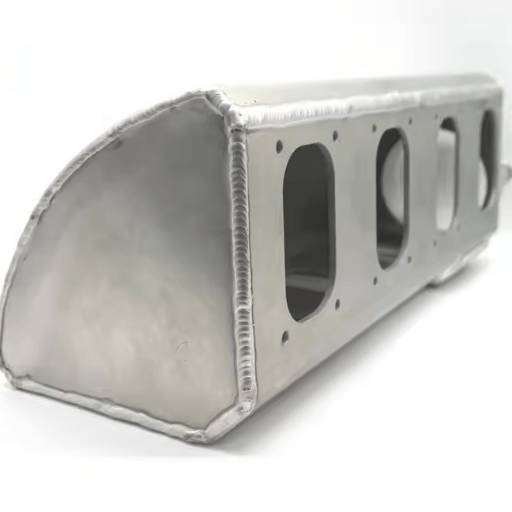
Beryllium copper is an alloy copper that is important in the tools and motor industries. It is famous for its combination of mechanical and electrical properties. This material is noted for high strength, excellent conductivity, and corrosion resistance, which makes it suitable for engineering molds. Because it is non-magnetic and non-sparking, beryllium copper is widely employed in the aerospace, automotive, and electronics industries where accuracy and dependability are crucial. Furthermore, Beryllium copper possesses the ability to endure high cycles of destructive stress without permanent deformation, ensuring it performs reliably in a wide range of demanding applications. Because of these capabilities, beryllium copper is increasingly becoming a significant material for improving the features and life of stamped sheet metal components.
The use of Phosphor Bronze (copper alloyed with tin and phosphorus) posseses certain benefits when it comes to metal stamping processes due to its complex characteristics. This material has remarkable fatigue life, great strength, and superb corrosion resistance, even in hostile environments. For example, its low friction coefficient would be useful for electrical connectors and springs where smooth motion or precise articulation is required.
Phosphor bronze alloys have varying tensile strengths from 50,000 to 120,000 psi depending on the alloy and temper. Also, its elasticity guarantees stability and constancy in perpetually flexed or dynamically loaded components. Lastly, its wear resistance and longevity of mechanical properties value makes it widely accepted for high-strength durable stamped parts.
With these qualities, phosphor bronze is arguably the best suited material for precise, highly durable, and reliable components over time. Incorporation of this alloy into metal stamping processes enhances the quality of results while reducing costs, all without compromising strict performance requirements.
Zinc alloys are known for their easy casting, versatile uses, and superior dimensional stability. These alloys are especially useful in die-casting processes. The following are the most important details for zinc alloys:
Typical Composition:
These properties make zinc alloys an important material for the manufacture of automotive parts, consumer electronic products, hardware and components, and even for decorative purposes. When performance and precision is critical, zinc alloys seamlessly fulfill these criteria while also keeping the production costs low.
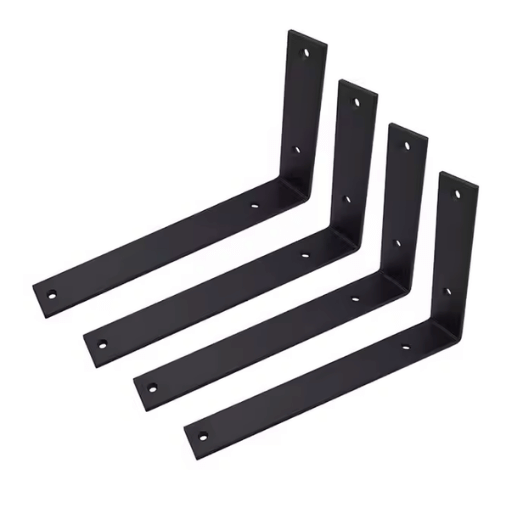
Metal stamping, a type of cold fabrication, divides features on a sheet metal part into different sections, called dies. These bits are then pressed with a stamping machine to turn flat pieces of metal into specific forms. To achieve the intended geometry, operations such as coining, bending, blanking, punching, and embossing are all performed. It starts with placing a sheet of metal into a press, where a die cutting machine begins forming the piece through pressure. Based on how intricate the piece is, a single step or progressive die can be utilized. The latter is able to complete multiple actions in a one purpose setup, unlike the former that can only do one at a time.
Some benefits of metal stamping are that it is much faster than other techniques, as well as cheaper when done in large quantities. Additionally, the detail incorporated with the shapes makes it more accurate when needing to put in additional components. It is extensively depended on by the automotive, aerospace, and electronic companies for parts like brackets, chassis, and connector pieces. Stamping processes have further been improved with advanced technology like CAD and automated feeders, which guarantee accuracy and uniformity. This makes modern advanced manufacturing much easier, as scaling is also more readily available.
To achieve accuracy and productivity, a combination of important tools and techniques is applied in metal stamping. The primary tools include stamping presses, which apply the necessary force, and dies, which cut or shape the material to the desired configurations. Techniques used during the process include: blanking; deep drawing to make complex, hollow forms; and bending to create angle features. CAD software in conjunction with automation technology is usually integrated to improve efficiency and precision, allowing the process to be used in many industrial areas.
Improving the efficiency of metal stamping procedures requires working on the type of material, tool design, and operational parameters among other factors. The use of materials that have a certain thickness and composition are far less likely to be variable in their performance. For example, steel with a tensile strength of 400-550 MPa is likely to be more formable and durable in very strong and resilient applications.
Manufacturing inaccuracies can be greatly reduced by good tool design. Accurate stamped parts are more likely to be produced by precision engineered dies which are machined to ±0.002 inches. These tools also have longer life due to better wear. Downtime can be reduced due to regular maintenance and timely wear part replacement on the presses.
Also improving the efficiency of operations involves optimizing the tonnage and speed of the press. For some medium-duty applications, empirical data suggests that press speeds between 30 and 60 strokes per minute are optimal. Automated systems with monitoring systems can reduce material waste by up to 20% by spotting abnormal behavior.
Operation and cost efficiency are also enhanced further down the production chain by use of lean manufacturing principles, such as reduced setup times and just-in-time inventory systems.

A: Alloy of nickel, copper, and zinc, as well as aluminum and stainless steel, are the most commonly used metals in metal stamping. This group of metals has distinct characteristics which makes them useful in different fields and activities.
A: Selecting the appropriate metal for your metal stamping endeavor requires considering several issues like stress ability, corrosion resistance, economical value, and malleability of complex geometries. Carefully selecting a material is fundamental in ensuring function and longevity.
A: Due to its ability to resist corrosion as well as its strength and durability in diverse environments, nickel is an excellent choice for metal stamping. Unlike other metals, it is often selected to manufacture components with high-wear resistance.
A: Stainless steel is frequently utilized due to its strength and durability, as well as its ability to resist corrosion. Furthermore, its ease of cleaning and maintenance makes stainless steel the material of choice in fields such as medicine and food, where hygiene matters.
A: Factors to take into account when choosing raw materials for metal stamping include the metal’s ductility, malleability, cost, and ability to be formed into multiple intricate shapes. That material completly should satisfy the requirements of the project and on the same time, be cost effective.
A: Different metals used in progressive die stamping can enhance the durability and functionality of complex shapes and intricate components and parts being fabricated, increasing the stamping parts’ value, being more complex and uniquely features enhanced properties.
A: With an increase of features like enhanced strength, flexibility and corrosion resistance, a metal alloy makes their performance better than parts made out of pure metals. Hence, metal alloys improve the usefulness of stamped parts for more advanced applications.
A: A metal’s ability to resist moisture and change in temperature has an impact on their selection for stamping. With harsher conditions, only corrosion-resistant metals which can maintain their integrity under such stress are selected for applications.
A: A metal is economical in regards to cost if its price-performance ratio is reasonable, factoring in its durability, ease of fabrication, and maintenance. The critical aspect of successful metal stamping is identifying a material that meets both functional and economic requirements optimally.
A: For further guidance concerning the most appropriate metal selection for stamping, we recommend that you reach out to us or consult with experts in the field who will provide assistance tailored to your unique project needs alongside the various metals on offer.

Manufacturing processes are quite complex, and the choice of a production method is directly related
Learn More →
There are two major manufacturing methods for producing plastic prototypes that most people find useful
Learn More →
As a person involved or interested in the design and production of plastic components, it
Learn More →