Fraud Blocker
2.8 1

Unlocking the Secrets of Brass Machinability: A CNC Machinist’s Guide

One of the most versatile and widely used materials in the machining world, brass sits high on the list owing to its unique combination of strength, corrosion resistance, and excellent machinability. However, even experienced CNC machinists encounter challenges while working with Brass due to its diverse assortment of alloys and differing specific ways of working […]

Unlocking the Secrets of Brass Machinability: A CNC Machinist’s Guide Read More »
1.9 1

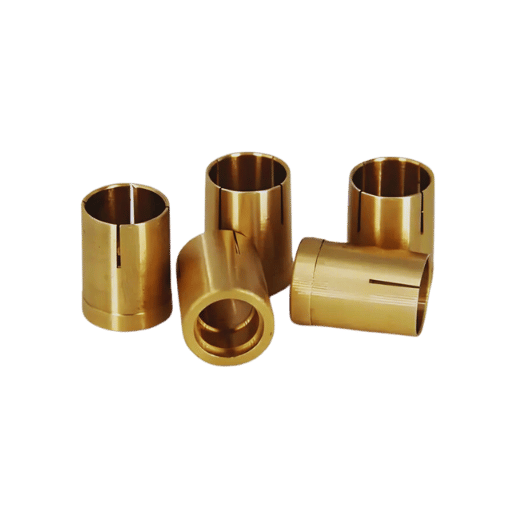
Tips for Successful Brass Machining: A Home Machinist’s Guide

The ability to machine brass is a handy skill for home machinists since this metal creates sturdy and performative components. In addition to offering excellent appeal, brass has one of the best machinabilities, making it a popular choice for various projects, from critical mechanical parts to intricately carved decorative art pieces. However, brass working comes

Tips for Successful Brass Machining: A Home Machinist’s Guide Read More »

How to Polish Acrylic Rods after Machining: Achieving a Flawless Finish on Your Acrylic Projects

How to Polish Acrylic Rods after Machining: Achieving a Flawless Finish on Your Acrylic Projects

CNC-machined acrylic parts almost always come off the machine with rough, frosted surfaces that hide the material\’s natural clarity. Restoring that optical-grade transparency requires the right combination of sanding, buffing, flame polishing, or solvent treatment. This guide covers each technique step by step so you can bring any machined acrylic part back to a crystal-clear

How to Polish Acrylic Rods after Machining: Achieving a Flawless Finish on Your Acrylic Projects Read More »

304 vs 316 Stainless Steel: Which is Better for Machinability?

304 vs 316 Stainless Steel: Which is Better for Machinability?

When it comes to the selection of materials for manufacturing projects, stainless steel is often selected first because of its suitability for application, durability, and aesthetics. 304 and 316 stainless steel are some of the most popular grades that are known for their readiness and adaptability. However, one other distinguishing parameter that needs to be

304 vs 316 Stainless Steel: Which is Better for Machinability? Read More »

8.0

Machining Brass vs Aluminum: Which Metal is Better for CNC Machining?

For CNC machining, the material selection is of utmost importance because it defines a project’s efficiency and success level. Brass and aluminum are metals that rank high regarding versatility and requisites in CNC machining. However, which metal is of more use when considering the specific requirements? This article delves deep into the differences between machining

Machining Brass vs Aluminum: Which Metal is Better for CNC Machining? Read More »

7.9 1

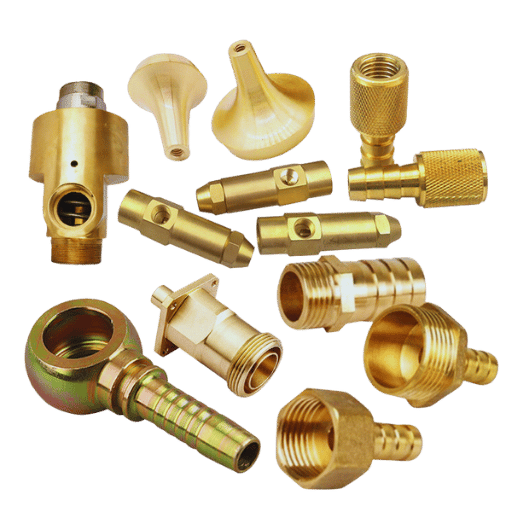
Brass CNC Machining: Alloys, Processes, and Design Guidelines

Brass CNC Machining: The Complete Guide to Alloys, Processes, and Applications Brass has earned its reputation as one of the most machinist-friendly metals in CNC manufacturing. Its combination of low cutting resistance, natural lubricity, and predictable chip formation makes it a go-to choice for shops producing everything from miniature electrical pins to large marine valve

Brass CNC Machining: Alloys, Processes, and Design Guidelines Read More »

The Ultimate Guide to Stainless Steel Machining: How Machinable is 304 Stainless Steel?

The Ultimate Guide to Stainless Steel Machining: How Machinable is 304 Stainless Steel?

304 stainless steel is one of the most widely used grades in manufacturing, yet its work-hardening tendency makes it one of the trickier austenitic alloys to machine. This guide breaks down the machinability of 304 stainless steel – its properties, common challenges, and the practices that keep cycle times short and tool life long. For

The Ultimate Guide to Stainless Steel Machining: How Machinable is 304 Stainless Steel? Read More »

Scroll to Top